“SUGAR TOUR“ Tour
“SUGAR TOUR“ Tour
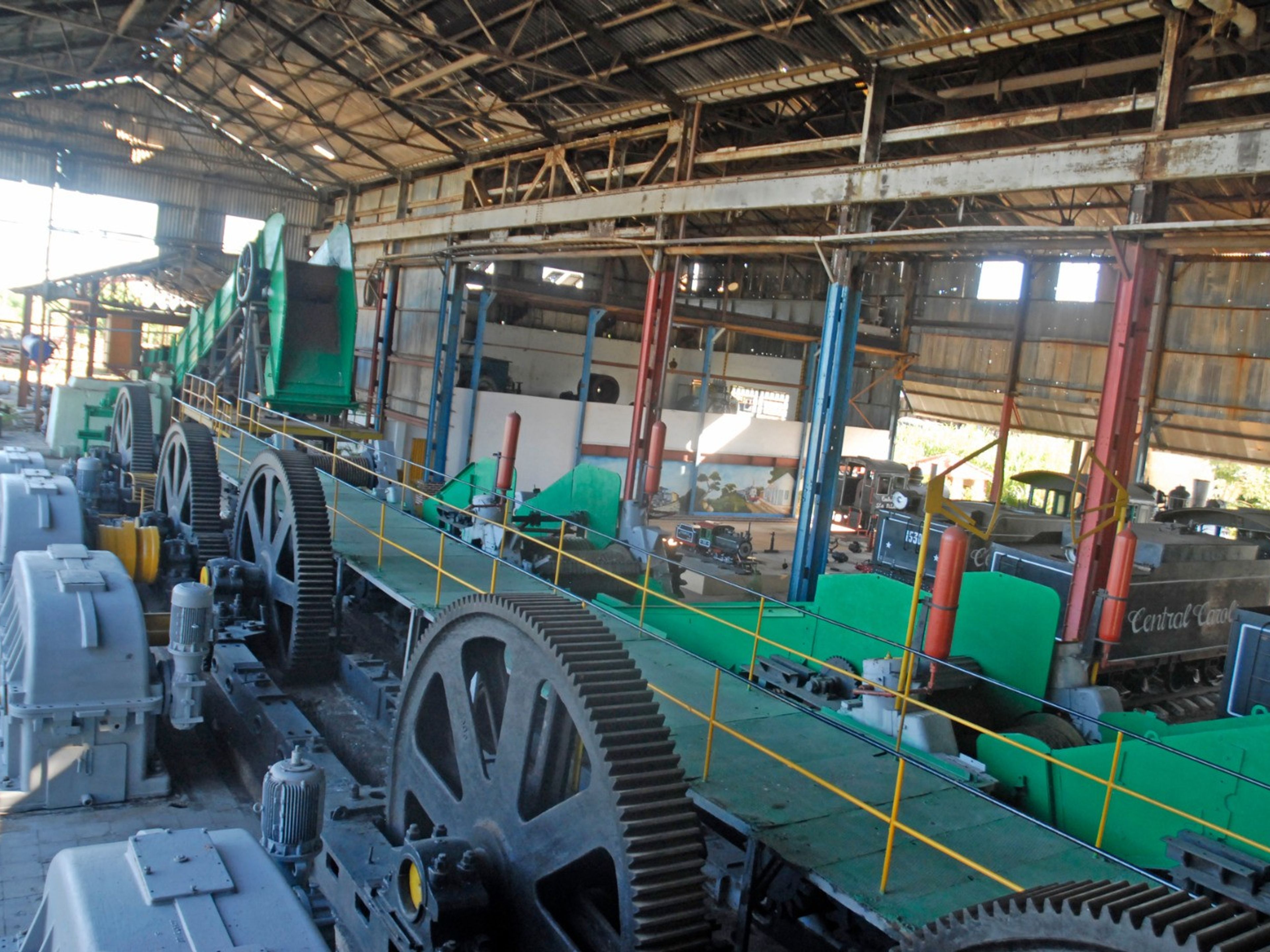
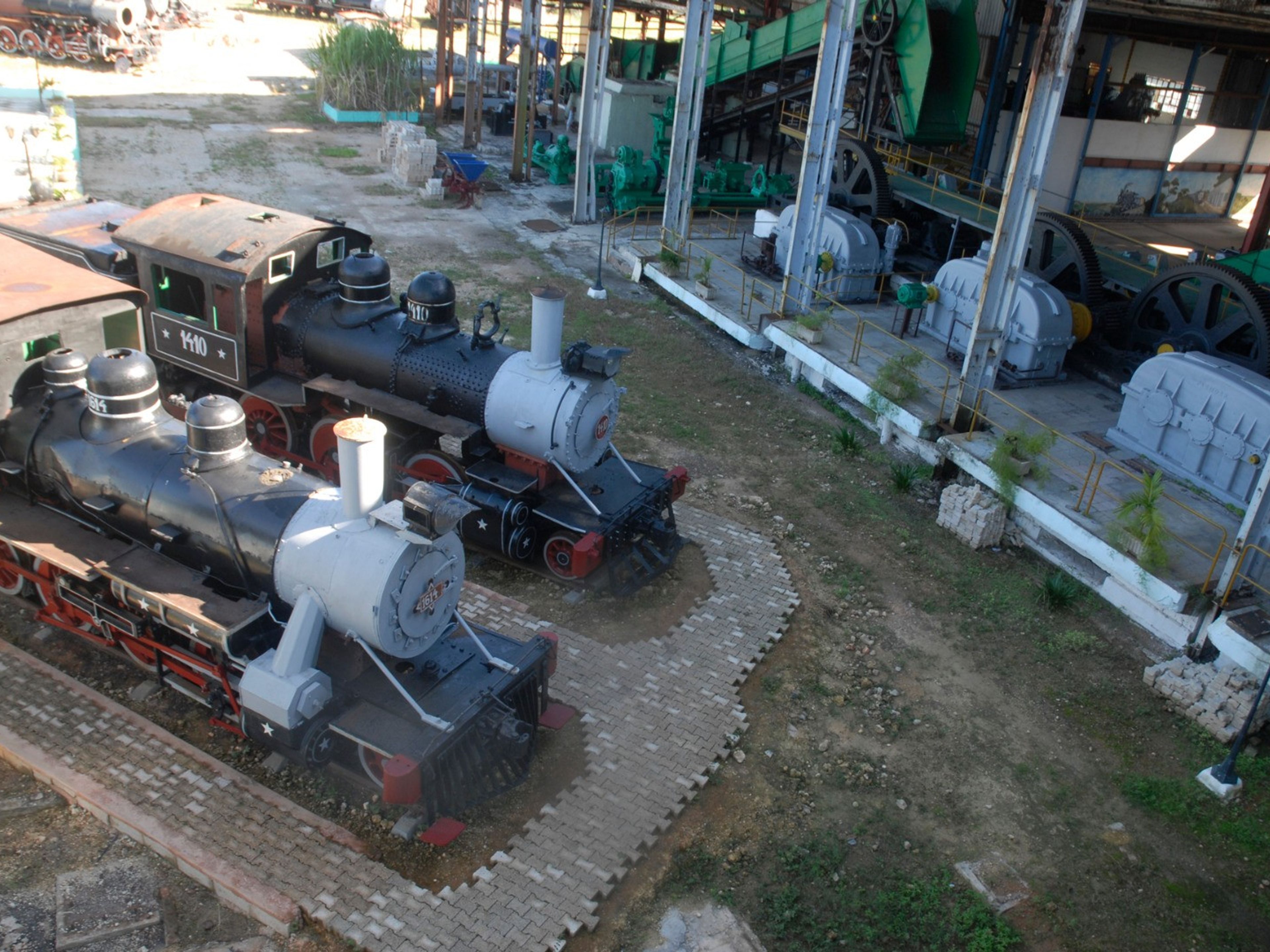
The Museo del Azúcar y el Vapor “José Smith Comas” in Cárdenas, Matanzas is a remarkable cultural destination that invites visitors to step into the heart of Cuba’s historic sugar industry. Set within the former Central Progreso José Smith Comas sugar mill — one of Cuba’s iconic colonial-era industrial sites — the museum celebrates the nation’s deep connection to sugar production and steam technology, making it a must-see attraction for history enthusiasts, families, and cultural travelers alike. Arriving at the museum, guests are immediately struck by the scale and authenticity of the site. The expansive complex preserves original milling facilities, gigantic gear wheels, steam engines, and the architectural framework that once powered one of the island’s most productive sugar centrals. As you walk through the exhibits, the echo of the past resonates in every corner — from heavy iron machinery to interpretive displays that explain how cane stalks were transformed into the world’s most sought-after sweetener.
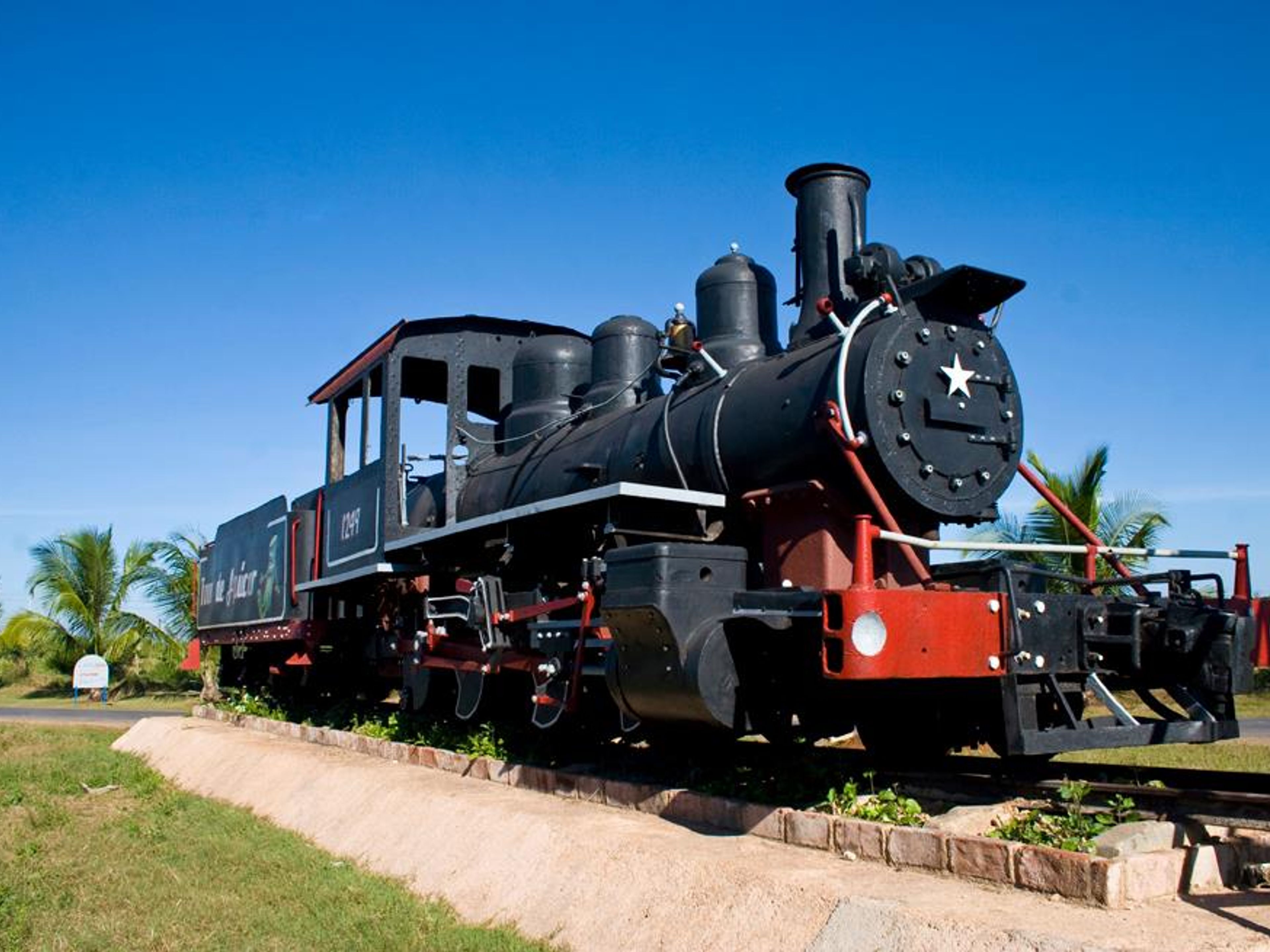
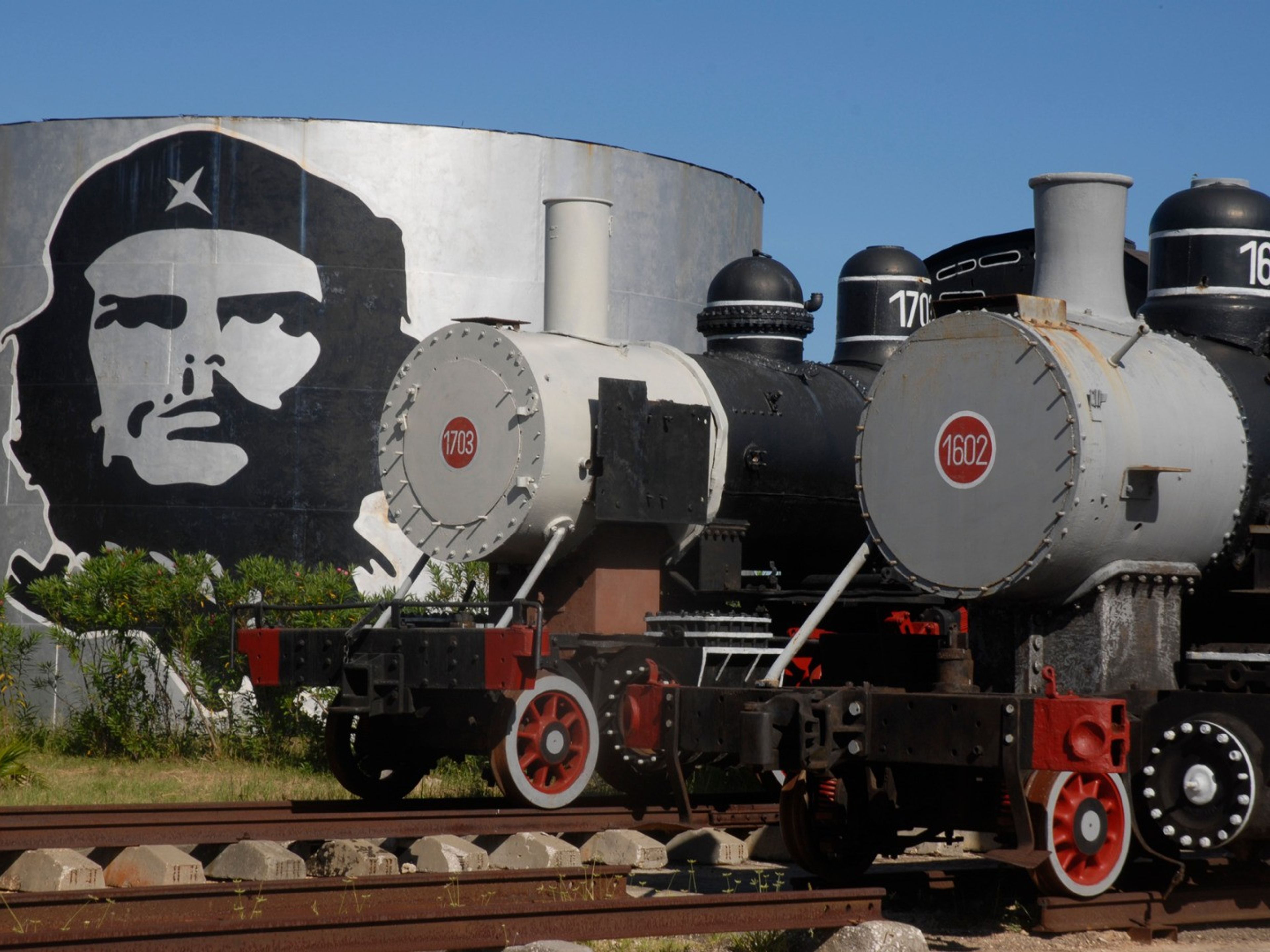
One of the most compelling features of the museum is its collection of historic steam locomotives. With more than two dozen engines on display — some dating back to the late 19th and early 20th centuries — guests can admire the craftsmanship and engineering that fueled Cuba’s agricultural transport routes. For many visitors, these majestic machines are highlights of the visit, offering both photographic opportunities and a powerful link to industrial heritage. The museum experience is both educational and immersive. Informative panels and guided tours walk visitors through the stages of sugar production, from cane harvesting to milling, clarification, and refining. Stories of the laborers, engineers, and communities shaped by this industry add a human dimension to the technical exhibits, helping visitors appreciate sugar’s role not just as a product but as a cultural force in Cuban society.
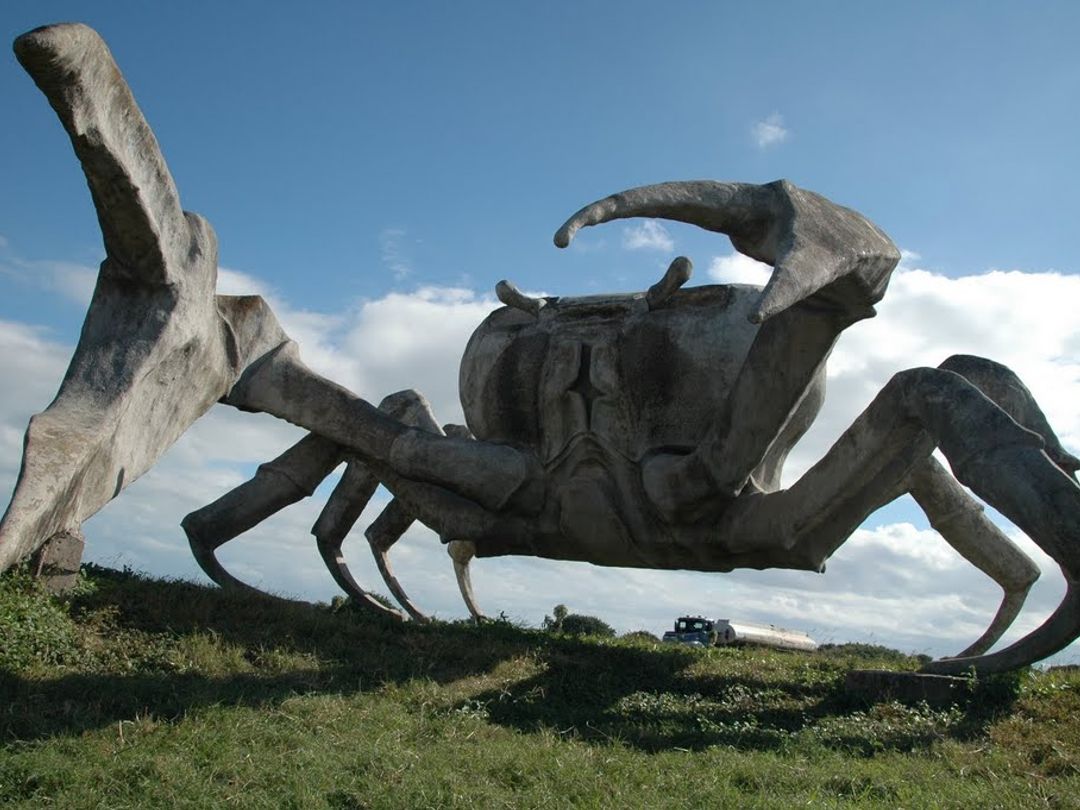
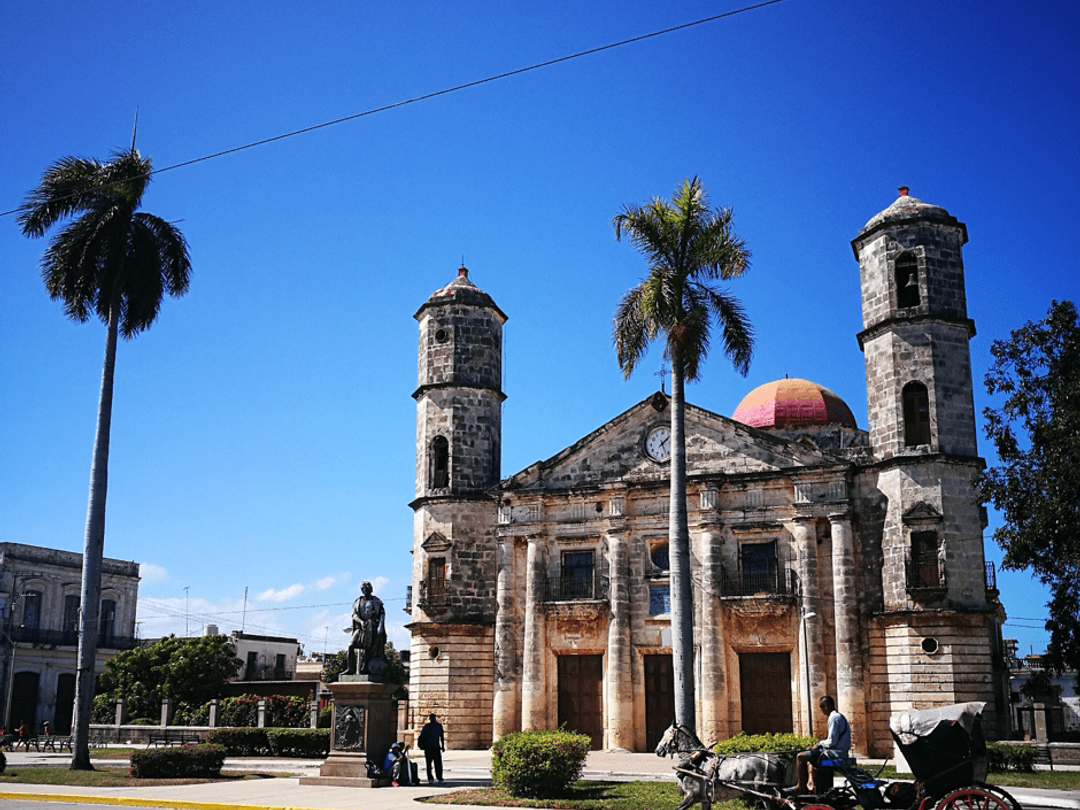
The city of Cárdenas, located in Matanzas Province on the northern coast of Cuba, is a historic and culturally significant destination known as “La Ciudad Bandera” — the Flag City. Founded in 1828, Cárdenas developed rapidly thanks to its strategic port, fertile surroundings, and strong ties to the sugar industry, becoming one of the most prosperous urban centers of 19th-century Cuba. Its nickname originates from a defining historical event: in 1850, the Cuban flag was first raised on the island in Cárdenas during an independence expedition led by Venezuelan general Narciso López. This milestone cemented the city’s symbolic importance in the nation’s patriotic narrative and gave it a lasting place in Cuban identity. Architecturally, Cárdenas is distinguished by its neoclassical buildings, spacious grid-patterned streets, and wide plazas. The historic center preserves elegant 19th-century mansions, colonial façades, and civic landmarks that reflect the wealth generated by sugar exports through its active port. Among its cultural institutions is the Museo Oscar María de Rojas, one of Cuba’s oldest museums, which houses valuable collections related to local history, art, and natural sciences.
Cárdenas also played a pivotal role in Cuba’s industrial development. It was home to the former Ron Arechabala distillery, birthplace of the original Havana Club rum in 1934, and maintained close economic connections with nearby sugar mills and agricultural estates. The city’s port facilitated international trade, reinforcing its economic relevance well into the 20th century. Today, Cárdenas offers visitors a blend of historical depth, architectural charm, and genuine Cuban character. Less commercial than major resort areas, it provides a meaningful cultural experience for travelers interested in history, heritage, and the evolution of modern Cuba.
- Coach pick up at the hotels
- Inclusion of tour Guide
- Visit to an old sugar mill “Jose Smith Comas”
- Taste the popular Cuban drink “Guarapo, made of the juice of the sugar cane bearing the same name
- Visit a sugar cane plantation
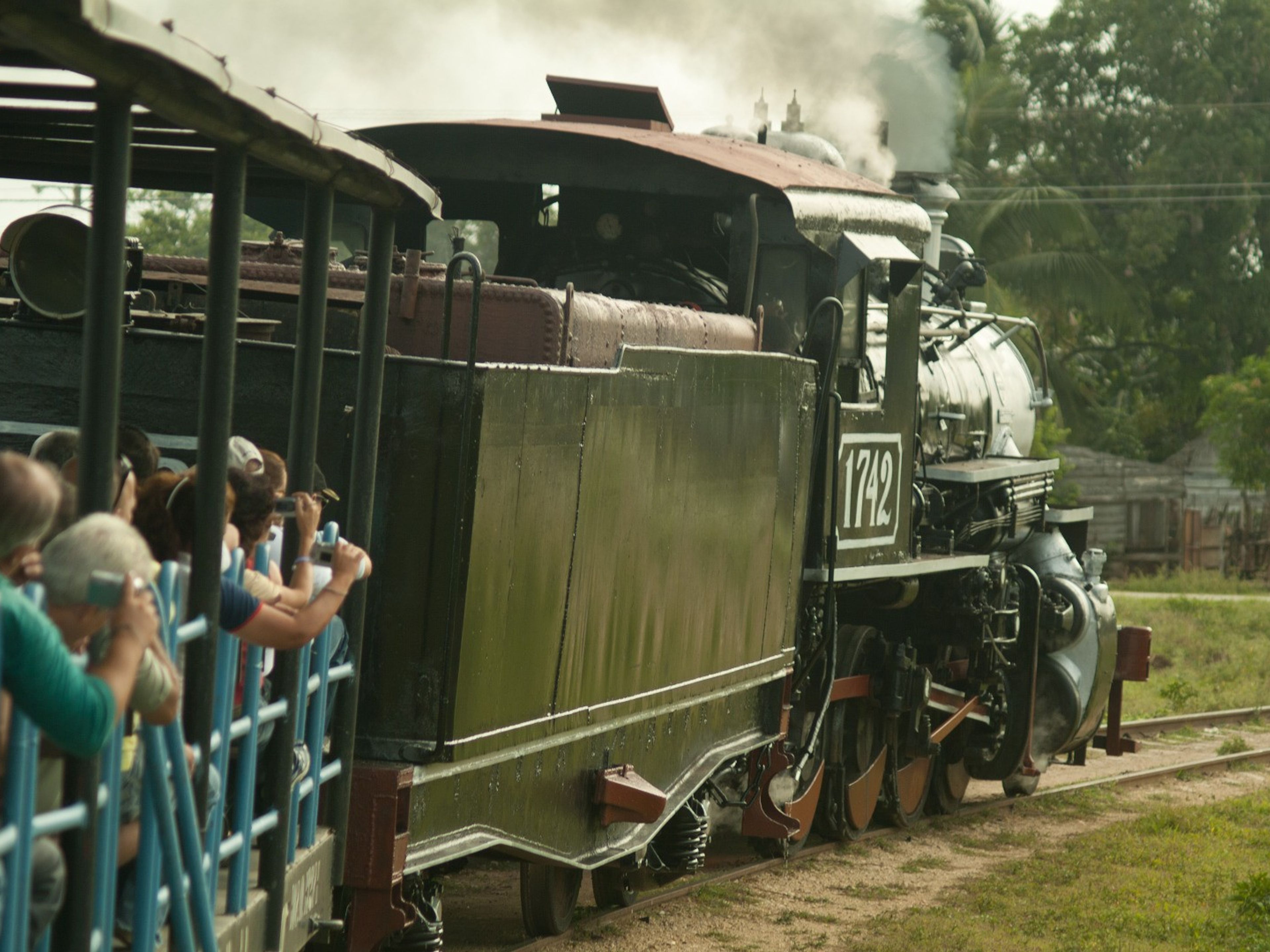
- Ride on an steam train built in 1913
- City Tour to Cardenas
- Visit to Oscar Maria de Rojas Museum
- Time at leisure
- Return to hotels in Varadero
Departure days: TUESDAY.
- Recommended: light clothing, sunglasses, hats or caps, tennis, sandals or comfortable shoes, solar protection and photographic camera.
- For the tour we recommend a water bottle.
- We recommend to bring cash in small denominations for souvenirs, drinks and tips.
More Information
- 3 hrs
- 08:20/13:00 hrs Playa Marina-Paradisus Varadero * 08:35/13:15 hrs Iberostar Varadero-Blau Varadero * 08:50/13:30 hrs Meliá Las Antillas-Sol Club Palmeras * 09:00/13:40 hrs Meliá Varadero-Sol Club Sirenas Coral * 09:10 / 13:50 hrs Be Live Experience-L
- Tour guide included
- Family friendly
- Offered inSpanish and English
Options and Availability
Collective tour (in Jeep)
Tour in Jeep with specialized guide service in several languages. The best price.Collective tour
Tour in collective bus with specialized guide service in several languages. The best price.Policies and Conditions
- The collected may be delayed up to 15 minutes depending on the number of hotels and punctuality of customers. Customer should be informed on sales desk to avoid disagreements.
- This tour operates with a minimum of passengers. Holiplus will reconfirm 48 hours before the departure of your tour. If the provider decides to cancel, for not meeting the minimum required amount of passengers, Holiplus will offer an alternative tour or fully refund cost of your trip.
- Customers will receive a souvenir consisting of a case of Ron Mulata (a bottle of rum) for adults and a pack of nationally produced candies for children.
- Depending on the tourist season and the availability of the locomotive, the excursion will be run in the morning and/or afternoon session according to information.
- All excursions are guaranteed in English and Spanish. The rest of the languages will be confirmed according to availability.
Cancellation and no show policy:
- Cancellations more than 72 hours before the tour: No penalty applies.
- Cancellations between 72 hours and 48 hours before the tour: a penalty of 50% of the total value of the excursion applies.
- Cancellations less than 48 hours before the tour: a penalty of 100% of the total value of the excursion applies.
- NO-SHOW: a penalty of 100% of the total value of the excursion applies.