- Home
- Day Tours
- PENÍNZULA DE ZAPATA
- "TOUR TO THE CARIBBEAN" Tour
"TOUR TO THE CARIBBEAN" Tour
"TOUR TO THE CARIBBEAN" Tour
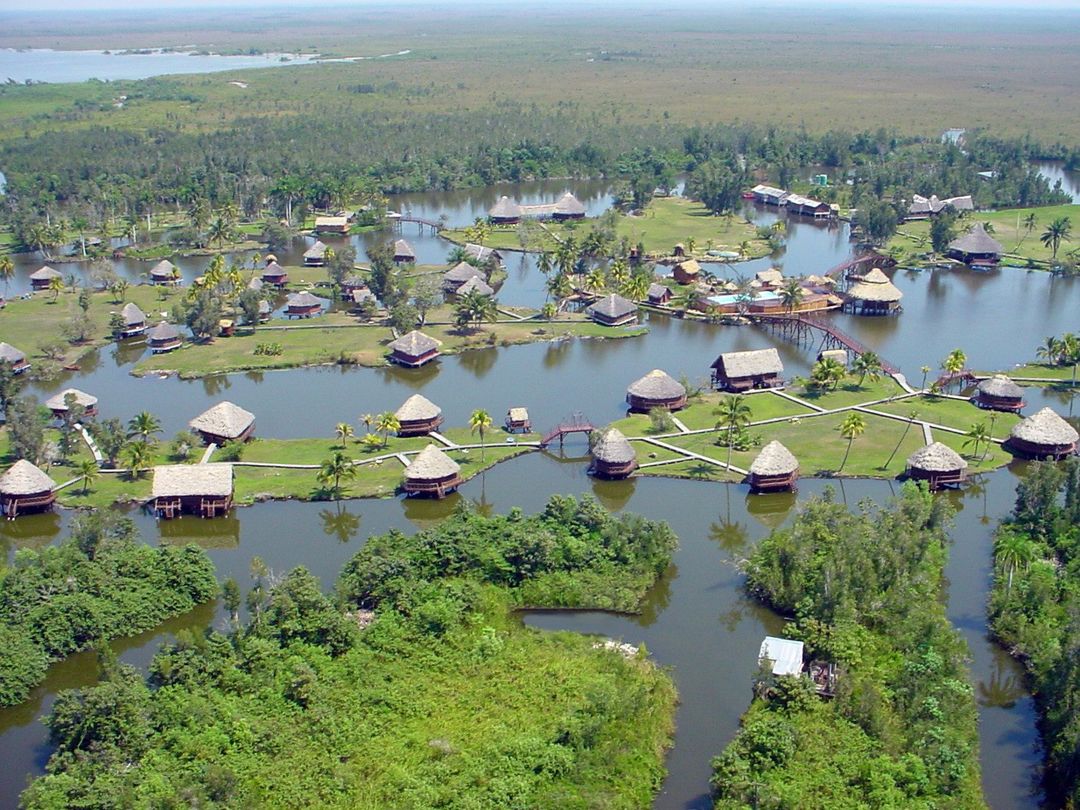
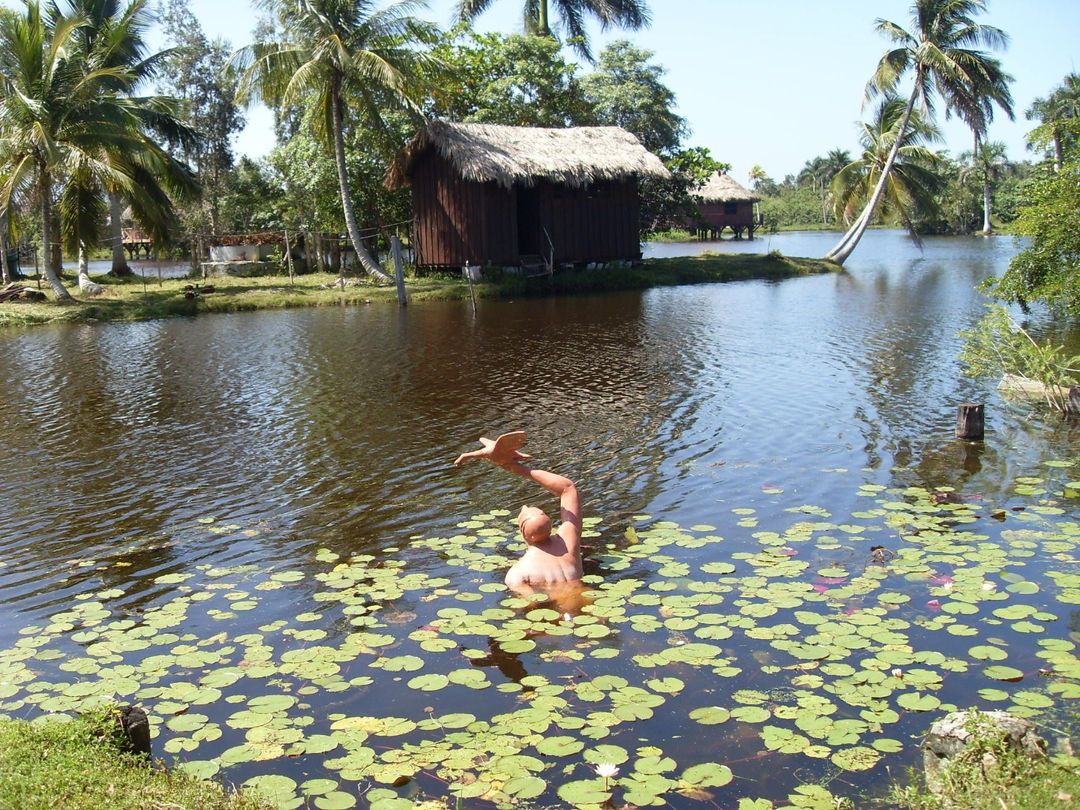
The Zapata Peninsula, located in southern Matanzas Province, is one of the most extraordinary natural regions in the Caribbean. Covering more than 4,000 square kilometers, it is the largest wetland in the insular Caribbean and one of Cuba’s most important ecological reserves. Recognized by UNESCO as a Biosphere Reserve and designated as a Ramsar Wetland of International Importance, the peninsula represents a sanctuary of biodiversity, pristine landscapes, and environmental significance. At the heart of the peninsula lies the Ciénaga de Zapata, an immense swamp ecosystem composed of mangroves, marshes, lagoons, forests, and coastal areas. This unique habitat supports an impressive variety of flora and fauna, including endemic species such as the Cuban crocodile (Crocodylus rhombifer), the bee hummingbird (Mellisuga helenae), and numerous migratory birds that use the wetlands as seasonal refuge. For ornithologists and wildlife enthusiasts, the peninsula is considered one of the most important birdwatching destinations in the Caribbean basin.
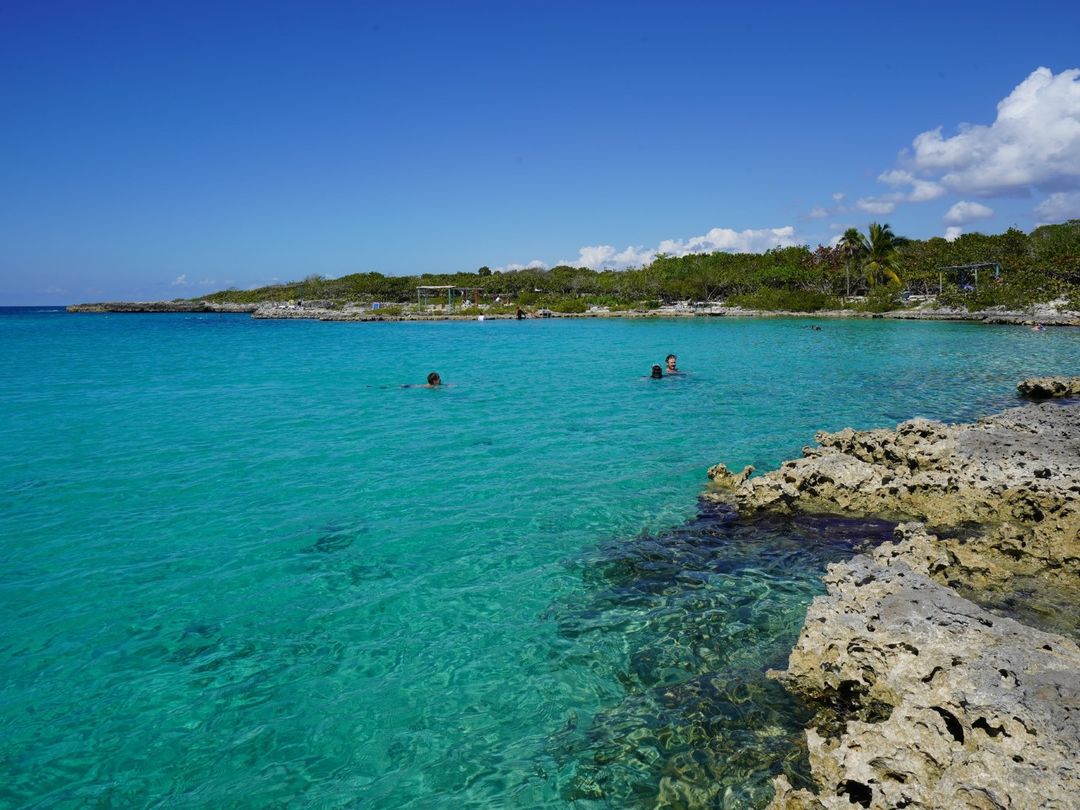
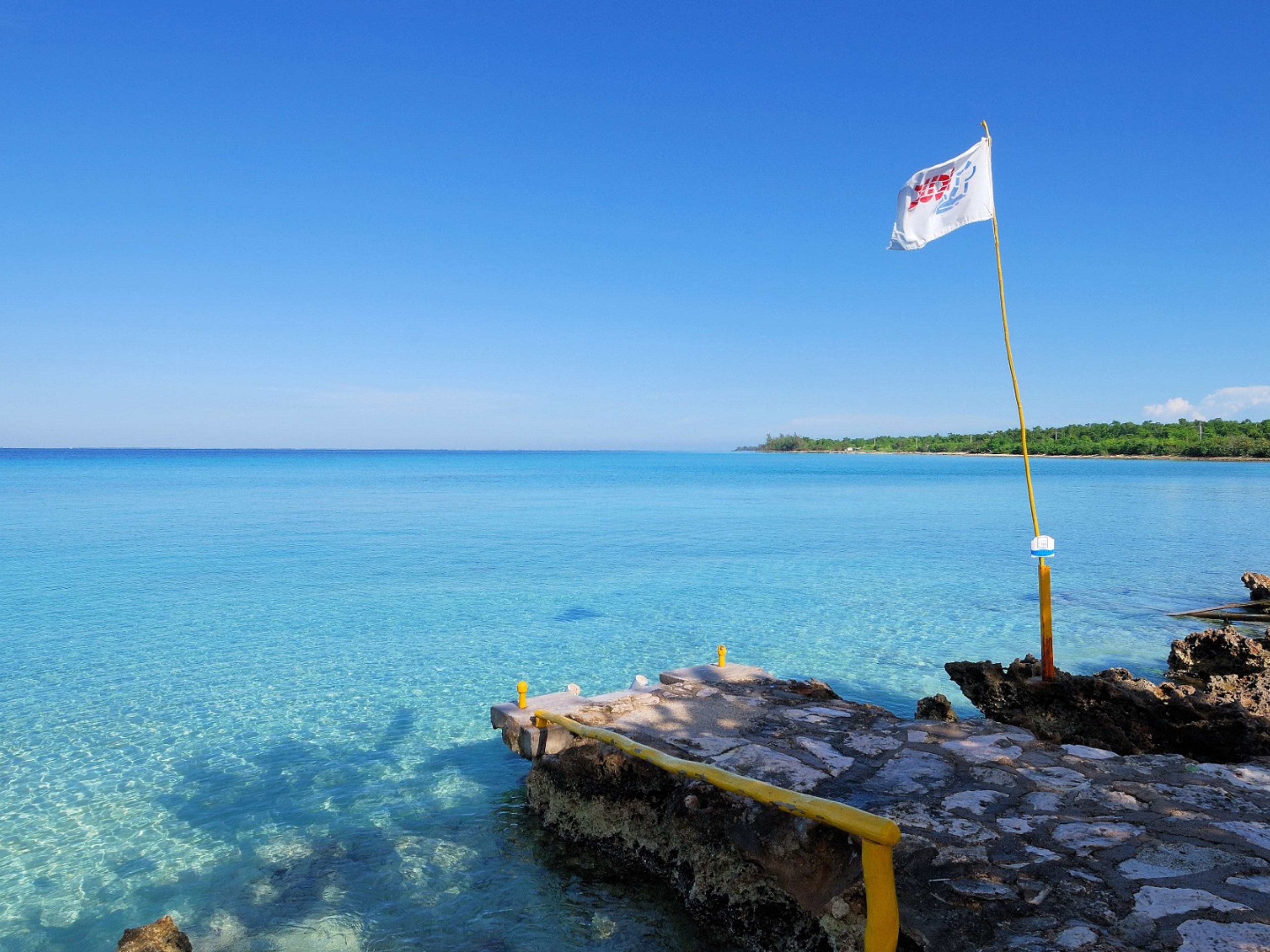
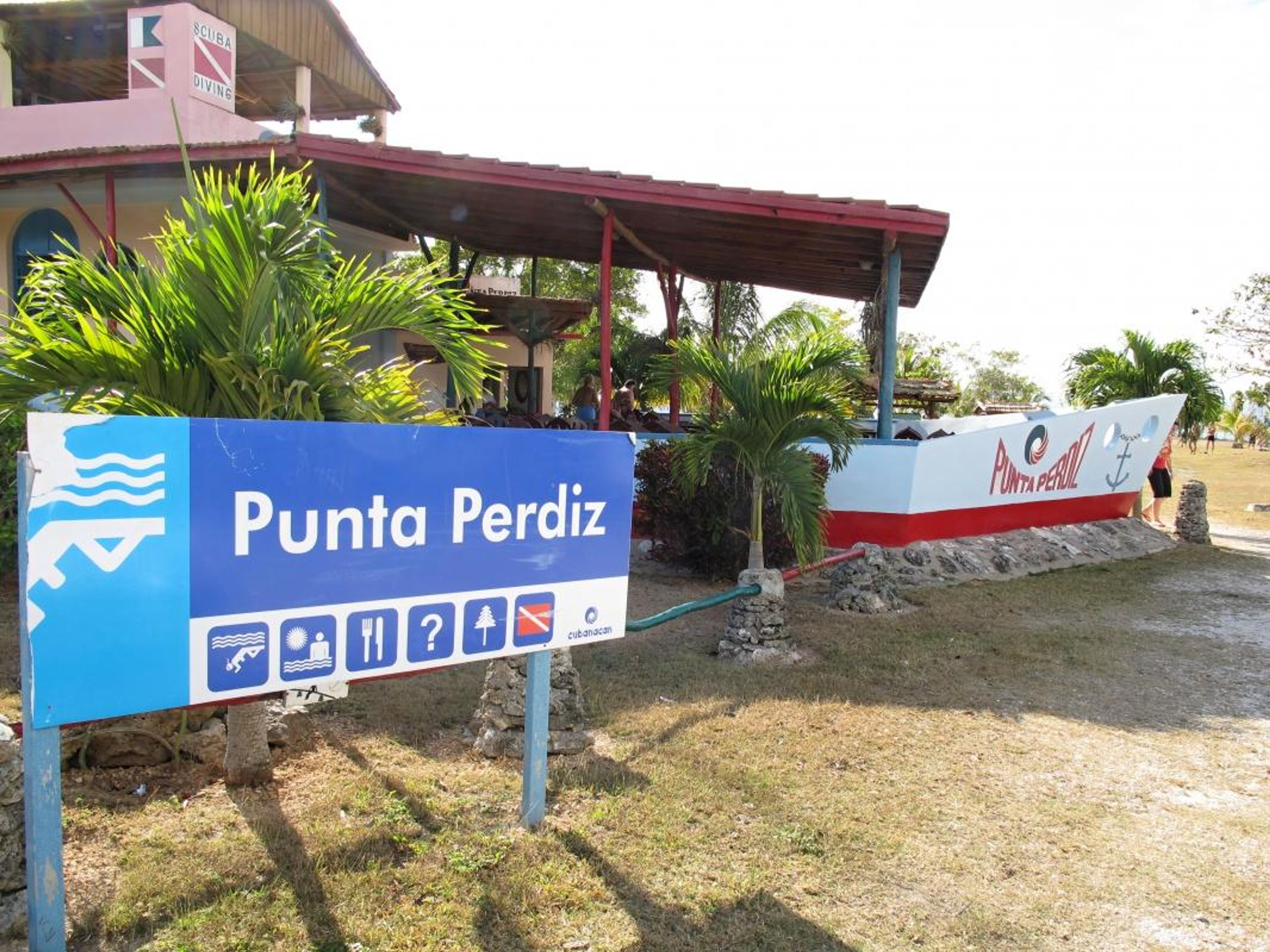
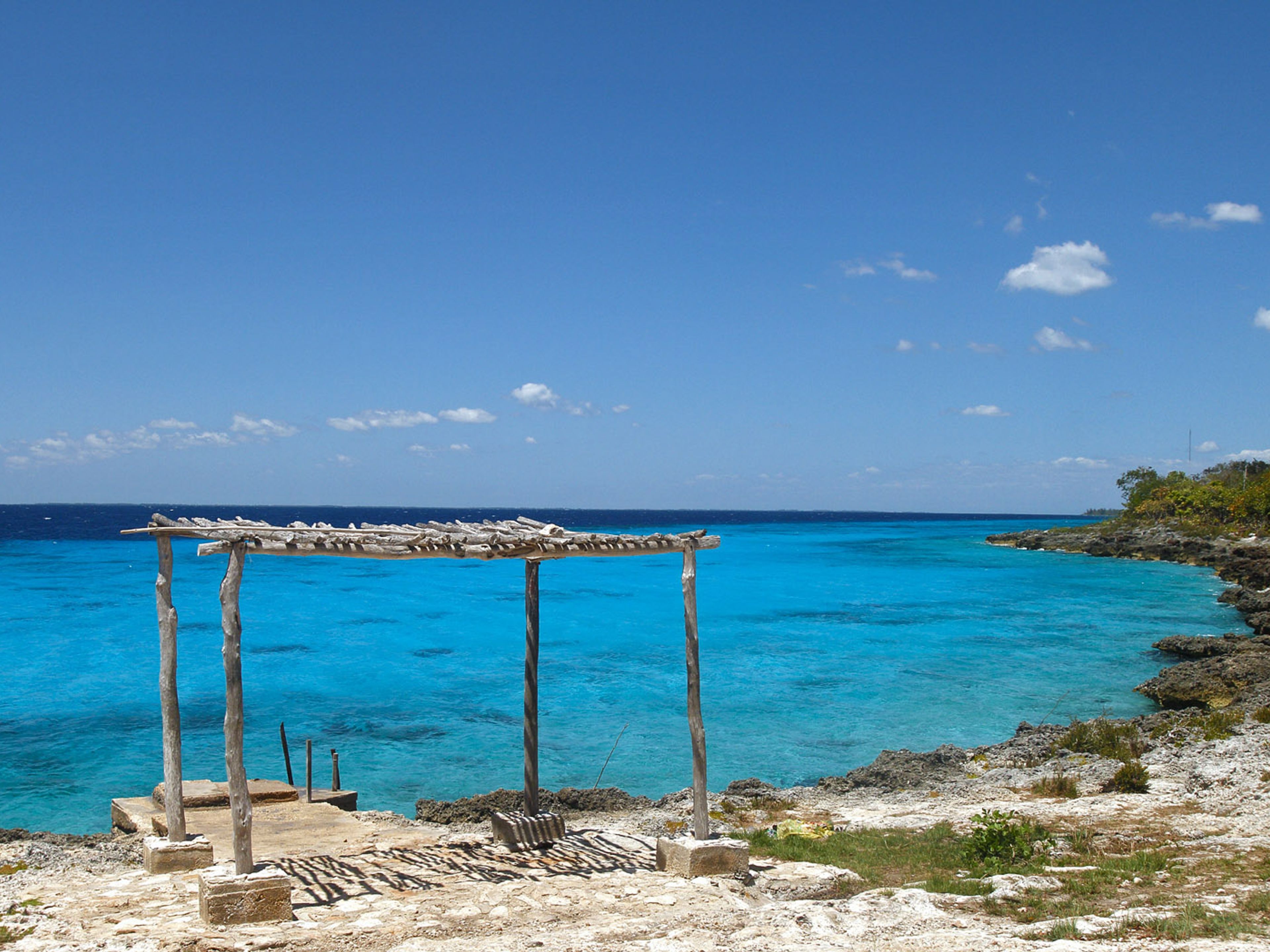
Beyond its ecological importance, the Zapata Peninsula also holds major historical relevance. Along its northern coastline lies Bay of Pigs (Bahía de Cochinos), the site of the failed 1961 invasion that marked a pivotal moment in Cold War history. Nearby communities such as Playa Girón preserve museums and memorials that recount the events of that confrontation, adding a historical dimension to the region’s natural appeal. The peninsula is also home to scenic freshwater and coastal environments ideal for eco-tourism. Areas such as Laguna del Tesoro, Caleta Buena, and Punta Perdiz offer opportunities for boating, snorkeling, diving, and nature excursions. The coral reefs along the southern coast are among the best preserved in Cuba, attracting divers with their crystal-clear waters and vibrant marine life.
Despite its vast size, the Zapata Peninsula remains sparsely populated, giving it an atmosphere of remoteness and authenticity. Small rural communities maintain traditional lifestyles linked to fishing, charcoal production, and sustainable agriculture. This human presence, integrated carefully into the fragile ecosystem, reflects a long-standing relationship between local inhabitants and the natural environment. In essence, the Zapata Peninsula is a place where ecological richness, historical memory, and raw natural beauty converge. It offers visitors a rare opportunity to experience Cuba beyond its cities and beaches — a landscape defined by wetlands, wildlife, and wilderness, making it one of the island’s most remarkable and environmentally significant destinations.
Know the wonders of our nature:
- Pick-up at the hotels according to the time set up for the tour.
- A drive southbound across Matanzas province.
- Visit the tourist farm Fiesta Campesina with a drink included (coffee or guarapo).
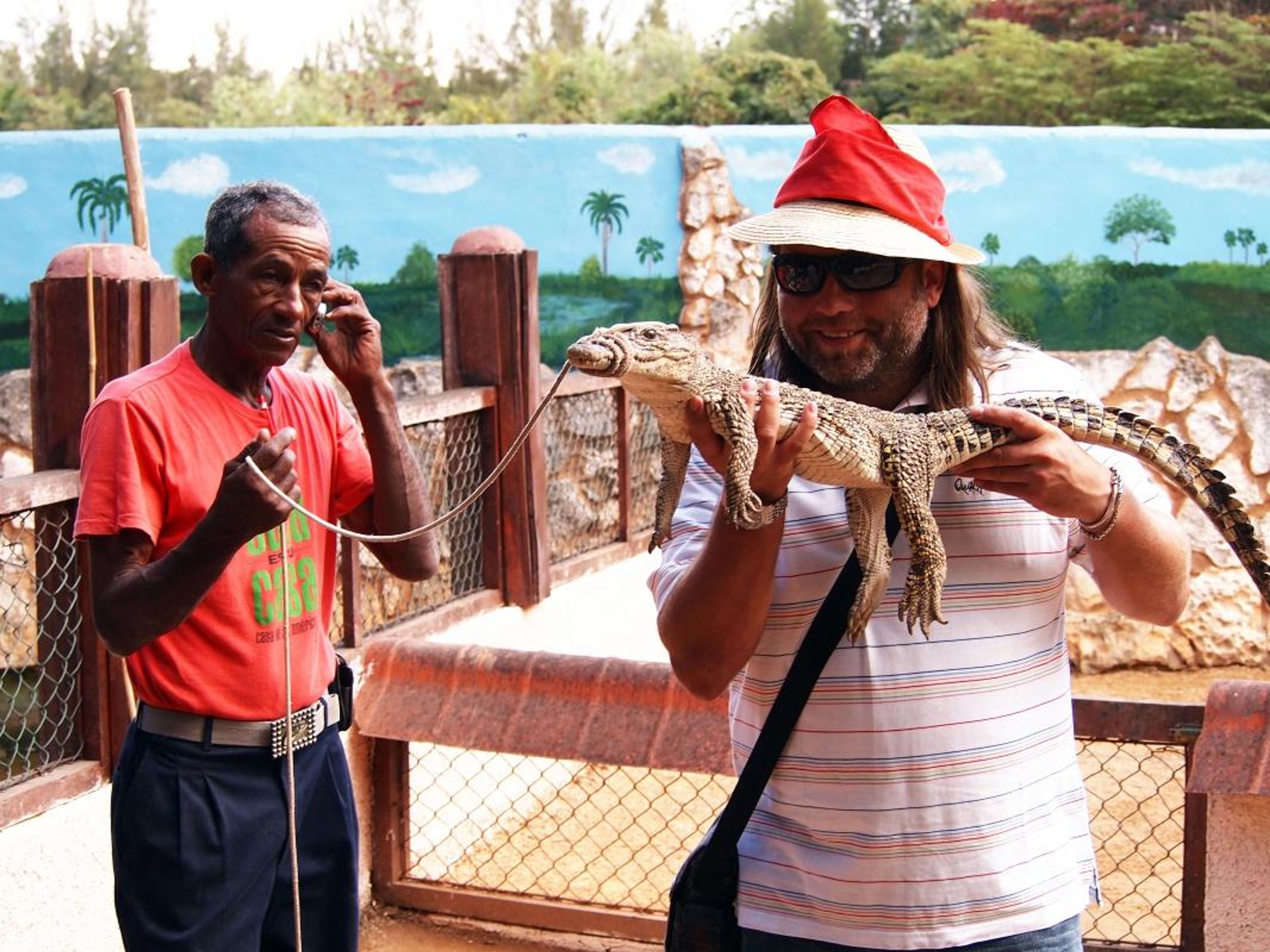
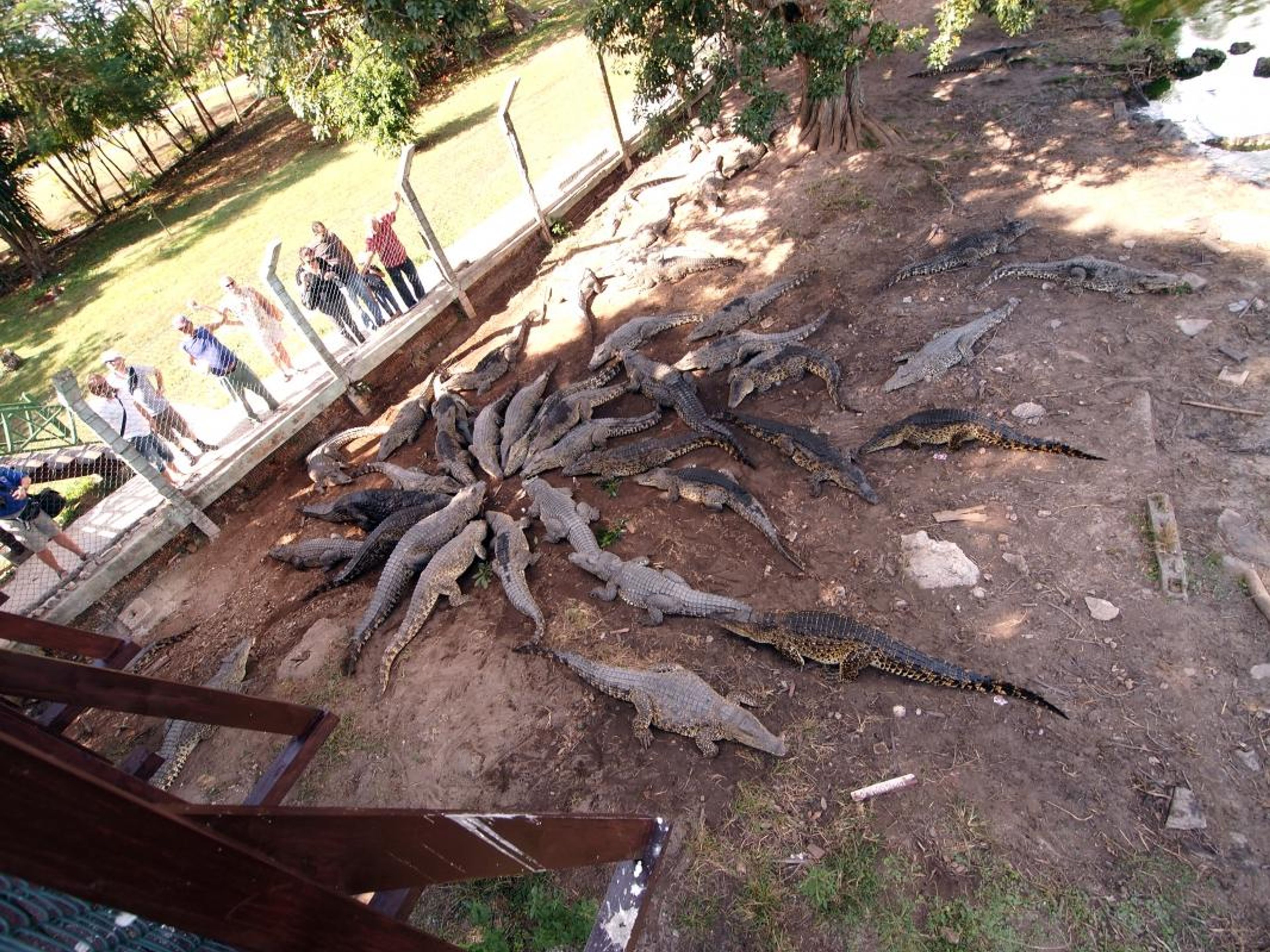
- Visit the crocodile breeding farm.
- Visit the Cueva de los Peces and time for swimming.
- Time for enjoyment in Punta Perdiz or Caleta Buena according to availability, which includes: Lunch of seafood and buffet side dishes. Time to swim in the Caribbean sea (beach seats included), snorkeling and Bar on the beach with OPEN BAR service.
- Return to the hotel.
Departure days: MONDAY AND FRIDAY.
- Recommended: light clothing, swimsuit, sunglasses, hats or caps, tennis, sandals or comfortable shoes and photographic camera.
- For the tour we recommend a water bottle.
- We recommend to bring cash in small denominations for souvenirs, drinks and tips.
More Information
- 9 hrs
- 07:45 hrs Playa Marina-Paradisus Varadero / 08:00 hrs Iberostar Varadero-Blau Varadero / 08:15 hrs Meliá Las Antillas-Sol Club Palmeras / 08:25 hrs Meliá Varadero-Sol Club Sirenas/Coral / 08:35 hrsBe Live Experience-Los Delfines/ 08:50 Mar del Sur-Playa
- Tour guide included
- Family friendly
- Offered inSpanish and English
Options and Availability
Private tour
Tour by private car or microbus with exclusive specialized guide service in your language. Pick up time and program development according to their own interests.Collective tour
Tour in collective bus with specialized guide service in several languages. The best price.Policies and Conditions
- The collected may be delayed up to 15 minutes depending on the number of hotels and punctuality of customers. Customer should be informed on sales desk to avoid disagreements.
- This tour operates with a minimum of passengers. Holiplus will reconfirm 48 hours before the departure of your tour. If the provider decides to cancel, for not meeting the minimum required amount of passengers, Holiplus will offer an alternative tour or fully refund cost of your trip.
- The snorkel includes equipment.
- The client has the optional possibility to dive.
- Clients who do not eat seafood will opt for the main course at the buffet.
- All excursions are guaranteed in English and Spanish. The rest of the languages will be confirmed according to availability.
Cancellation and no show policy:
- Cancellations more than 72 hours before the tour: No penalty applies.
- Cancellations between 72 hours and 48 hours before the tour: a penalty of 50% of the total value of the excursion applies.
- Cancellations less than 48 hours before the tour: a penalty of 100% of the total value of the excursion applies.
- NO-SHOW: a penalty of 100% of the total value of the excursion applies.