- Home
- Day Tours
- Penínzula de Zapata
- "HIKING AND BIRD WATCHING AT LOS ARROYONES" Tour
"HIKING AND BIRD WATCHING AT LOS ARROYONES" Tour
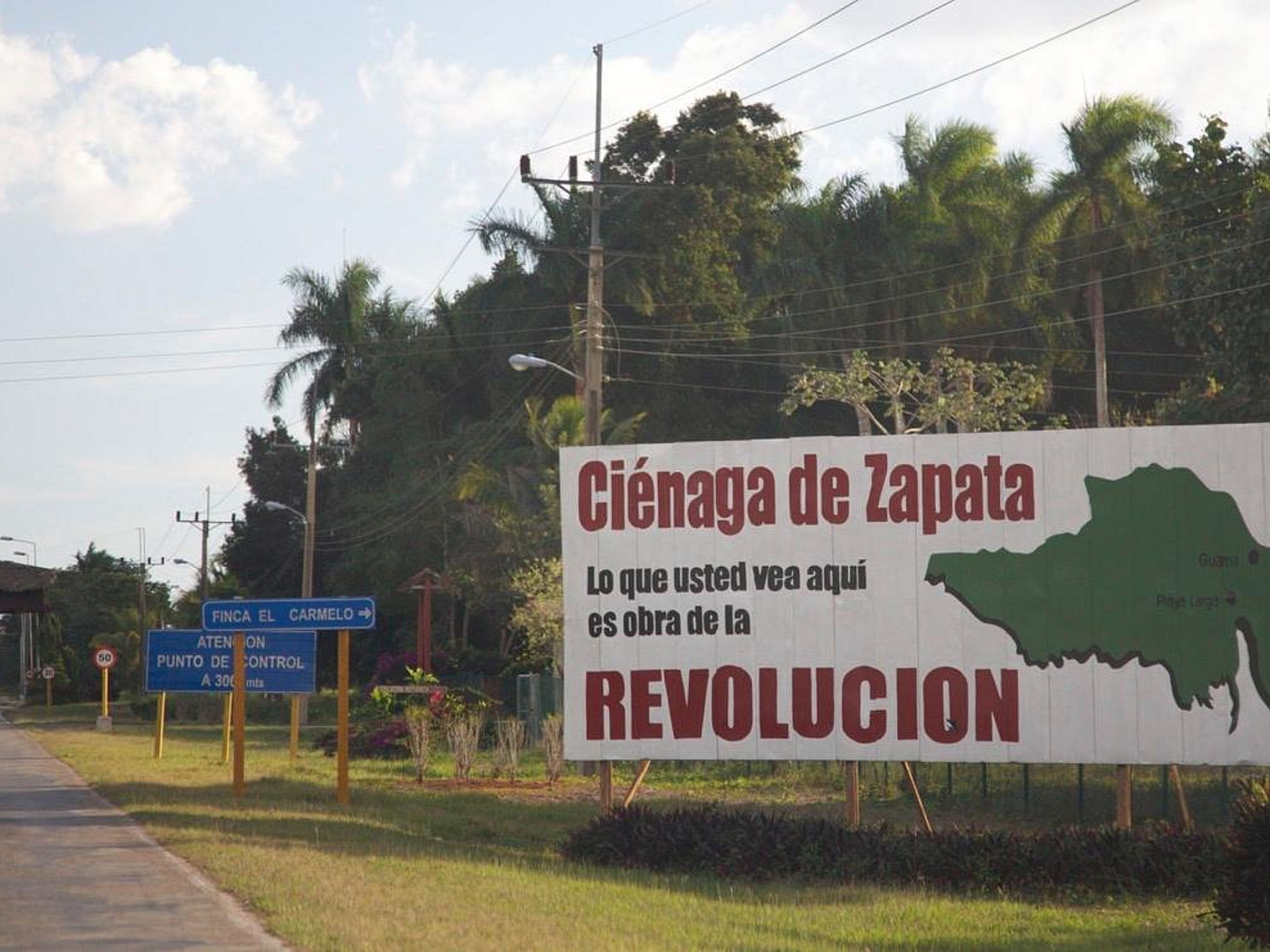
"HIKING AND BIRD WATCHING AT LOS ARROYONES" Tour
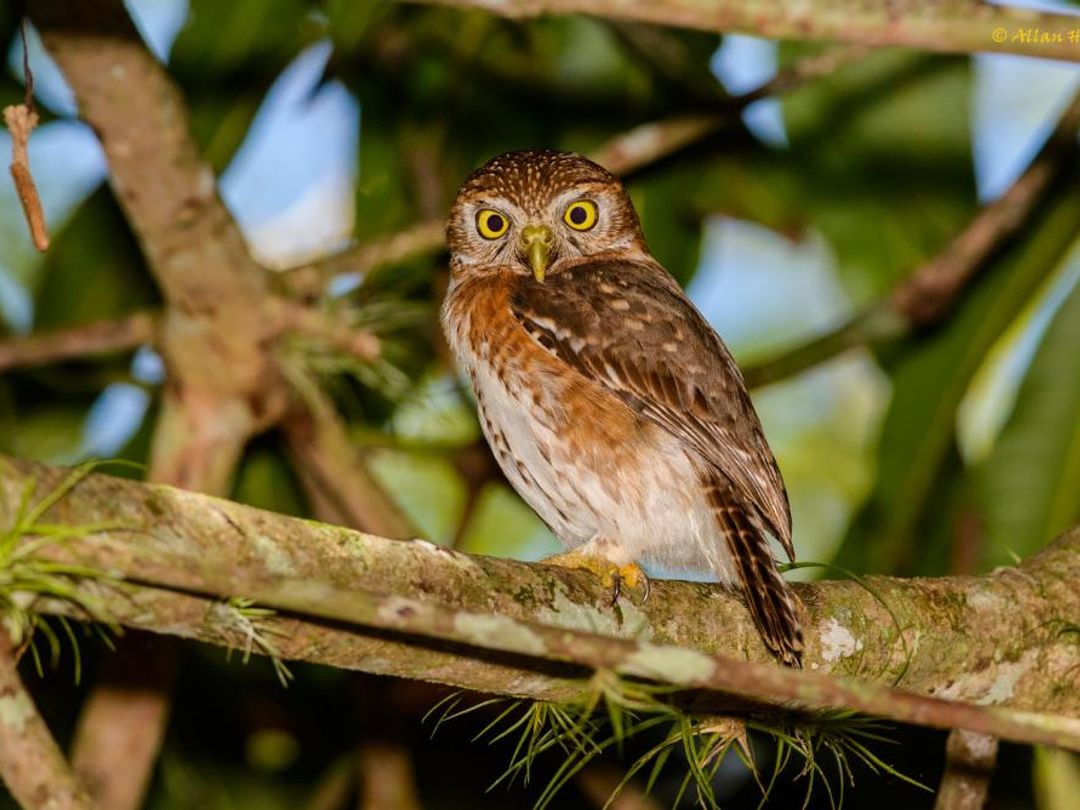
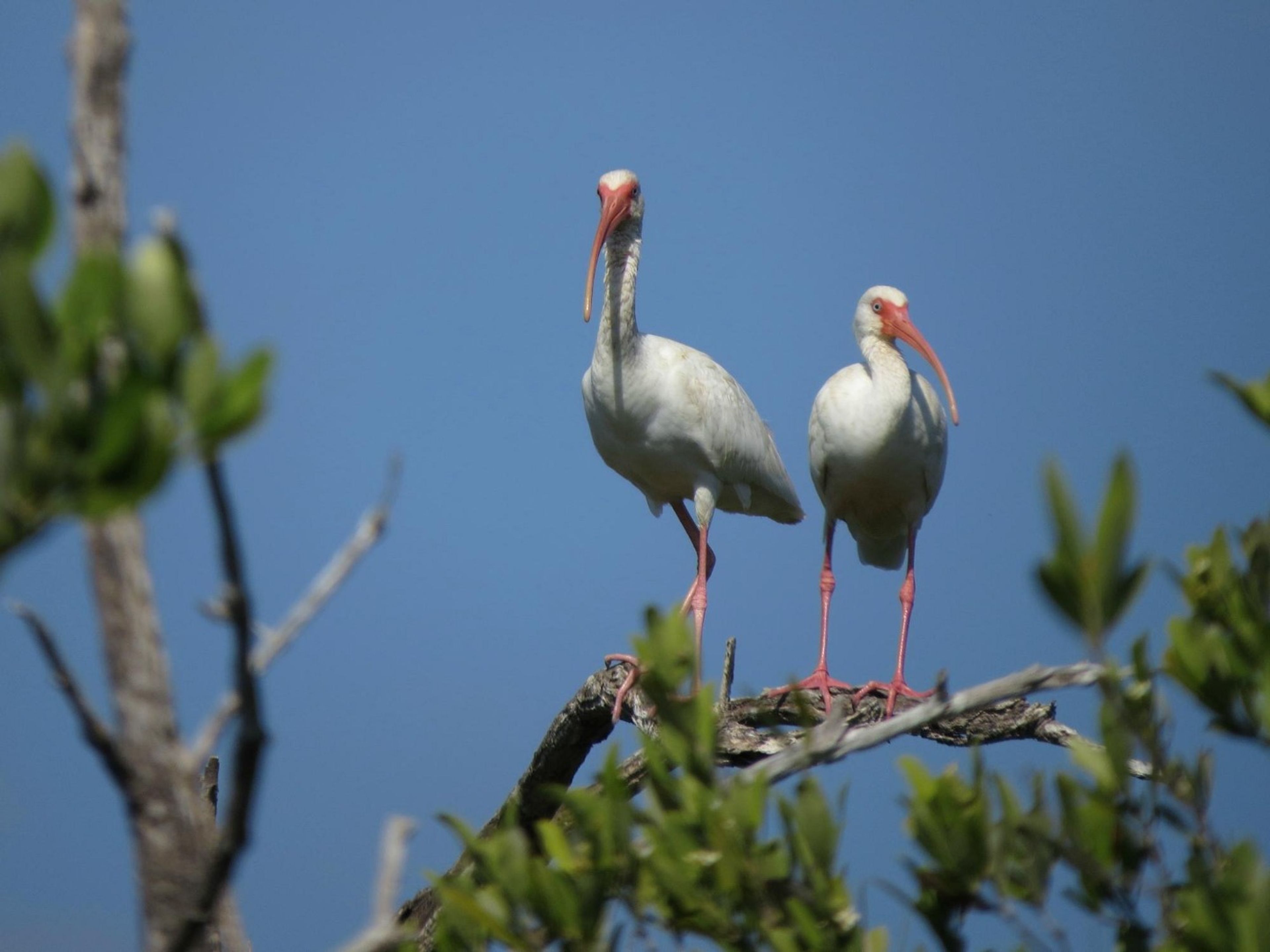
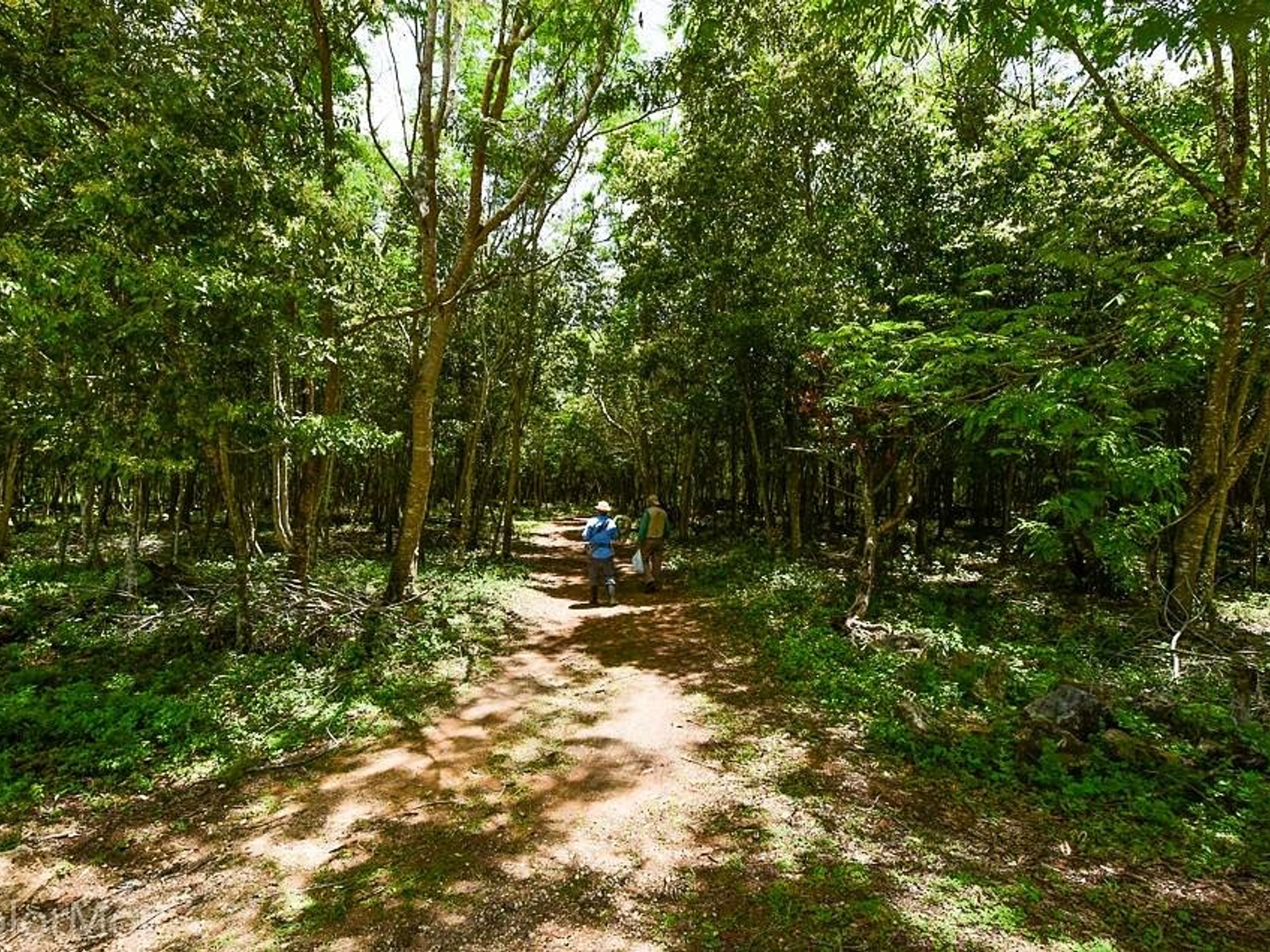
Birdwatching is relatively easy by walking the various trails we have designed for you in the Cienaga de Zapata such as: Bermejas, Las Salinas de Brito, Los Arroyones, among others. Of the 368 known birds in Cuba, 70% are present in the Zapata Reserve, including three locally endemic species: the Ferminia, the Cabrerito de la Ciénaga and the Gallinuela de Santo Tomás, true treasures of Cuban ornithology. Our proposal is that you walk these trails with different natural values. The main values of the Biosphere Reserve are given in the diversity, complexity and degree of conservation of its ecosystems, variety of landscapes with important scenic value, biological diversity, endemism and historical-cultural values. These trails reveal to the visitor a splendid observatory of endemic and migratory species where the marsh goat, the zunzún, the cranes, the flamingos and the herons stand out.
To do the bird watching we will leave early in the morning from the place of accommodation that is defined for this activity, to reach the places where the trails begin we will use the transport available to the TTOO or the customers themselves, because we do not have transfer to do the same. The tours have an estimated duration of 3-5 hours, returning to the initial point of departure (hotel or other places of accommodation), or to the places where lunch and dinner are planned and will be divided into groups with no more than 10 people.
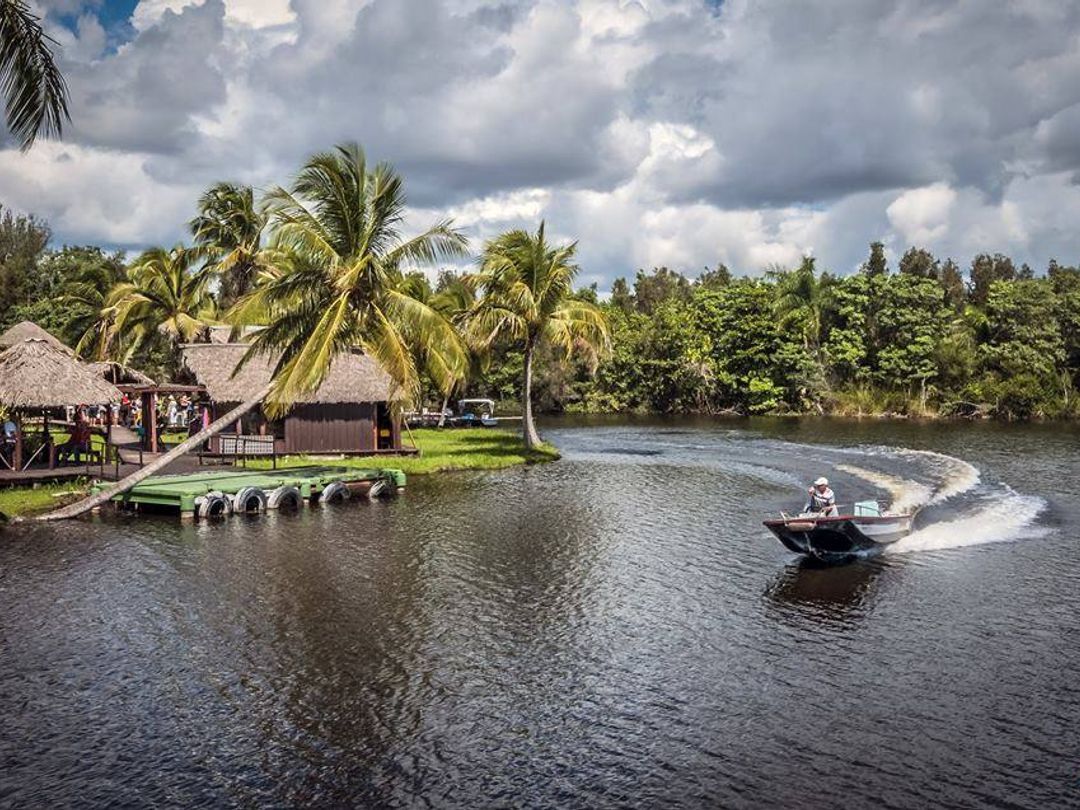
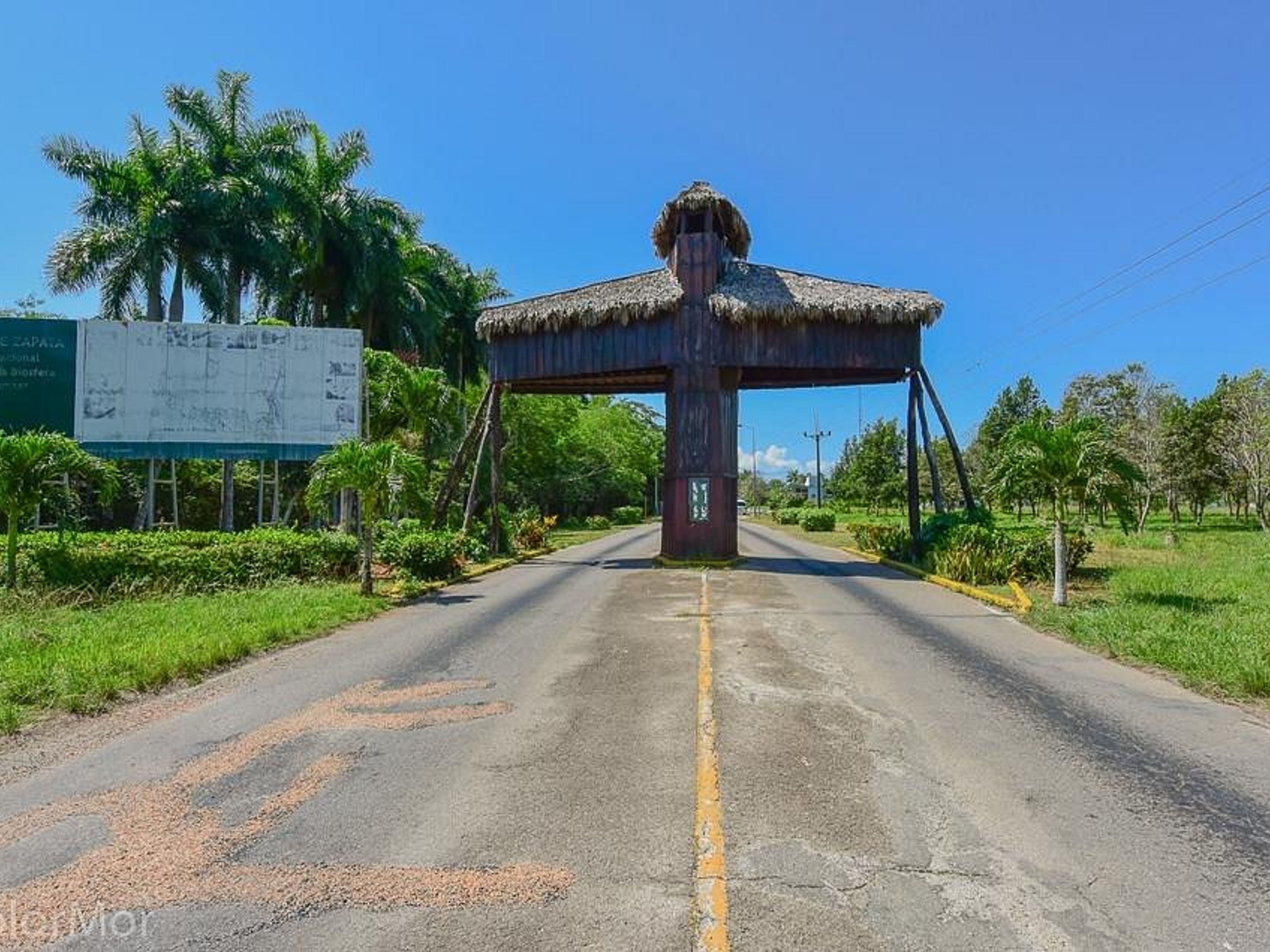
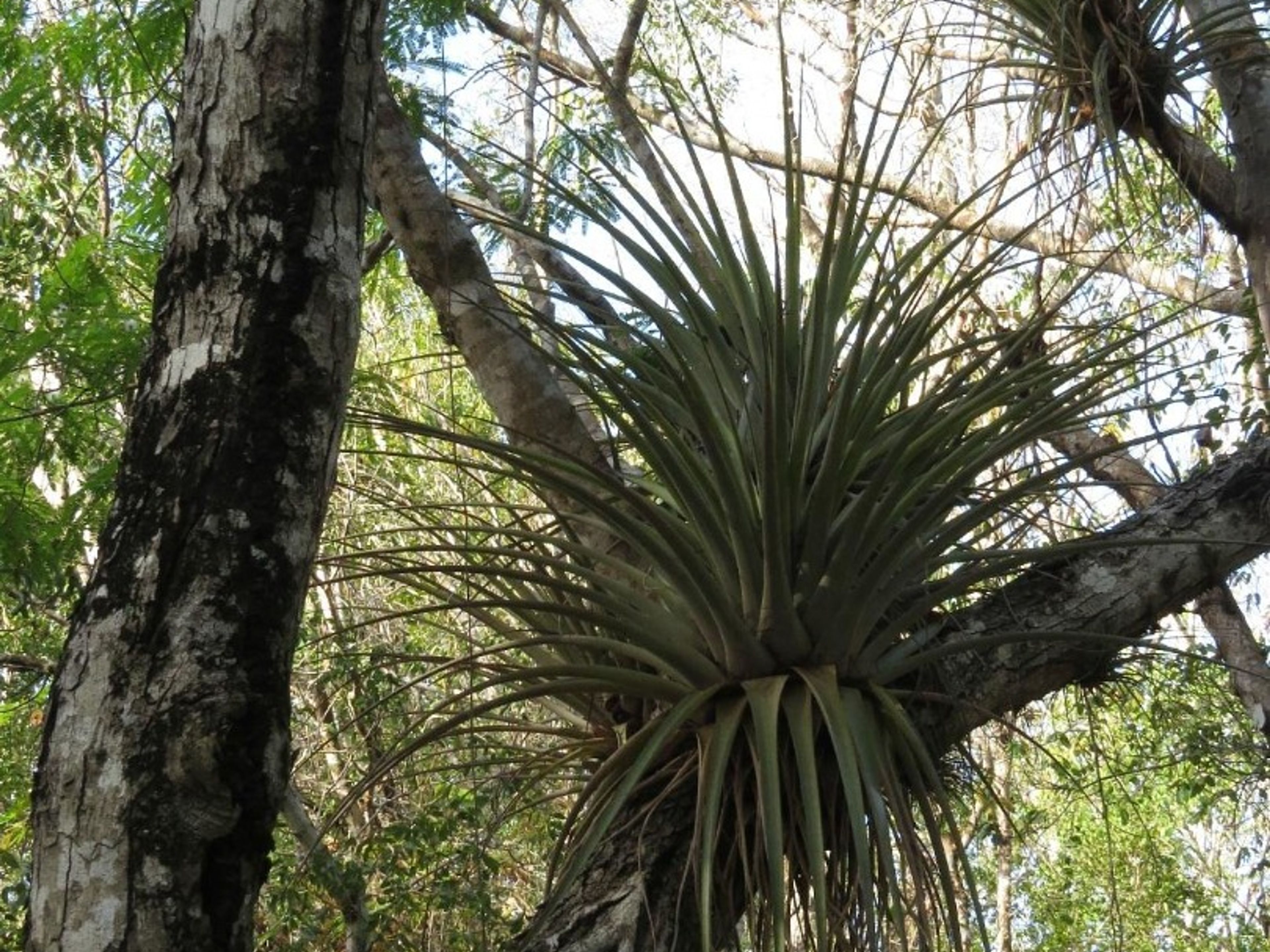
HIKING AND BIRD WATCHING AT LOS ARROYONES: Immerse yourself in the natural beauty of the Zapata Peninsula with an unforgettable hiking and bird watching experience at Los Arroyones. Located in the Matanzas province, this protected area is a haven for wildlife enthusiasts and nature lovers, offering trails that wind through lush wetlands, tropical forests, and scenic waterways. The hike through Los Arroyones allows visitors to observe a rich diversity of native and migratory bird species, including some endemic to Cuba. Expert guides provide insight into the local ecosystem, pointing out unique flora and fauna while sharing fascinating ecological and conservation knowledge. Whether you are an avid birdwatcher or a casual nature enthusiast, this trail offers rewarding sightings and opportunities for photography in a pristine natural setting. The terrain is suitable for a variety of skill levels, making it ideal for families, small groups, and eco-tourists seeking both adventure and education. Along the trail, hikers enjoy serene landscapes, meandering streams, and elevated viewpoints that showcase the remarkable biodiversity of the Zapata Peninsula. The Los Arroyones hiking and bird watching tour combines active exploration with immersive nature observation, offering a truly enriching experience for anyone wishing to connect with Cuba’s most remarkable wetlands and wildlife.
Area Values
The Ciénaga de Zapata is the most humid territory in Cuba and one of the largest in Latin America and the Caribbean, approved by the United Nations Educational, Scientific and Cultural Organization as a Biosphere Reserve and also declared a Ramsar Site.
It has a wide variety of flora and fauna. The ornitofauna amounts to 212 species, of which 86 are permanent residents of our country, 101 migratory and 25 bimodal residents. It is important to highlight that the endemism of 23 of them constitutes 95.8% of the endemic birds of our country. Six of the seven Cuban endemic genera and three local endemics are also found in this area: the ferminia (Ferminia cerverai), the gallinuela de Santo Tomás (Cyanolimnas cerverai) and the sub-species of the cabrerito de ciénaga (Torreornis inexpectata inexpectata).
The native mammals of the Ciénaga de Zapata are represented by the orders Rodentia, Chiroptera and Sirenia, and this is the only region of Cuba where the three living genera of capromids coexist: Capromys, Mesocapromys and Mysateles. The conga hutia (Capromys pilorides) is the most abundant species in the area and can be seen mainly in Cayo Venado and Cayo Las Vacas, where they have shelters among the stones. Eight bat species have been reported in Cienaga de Zapata. The manatee (Trichechus manatus) is another mammal that inhabits this wetland. It has been reported at the mouth of the Hatiguanico River and can also be seen in areas with brackish water.
Details of the excursion
- Difficulty Level: Low
- Duration: 4 hrs
- The excursion is carried out in groups of no more than 10 people in the company of a local guide specialized in ornithological matters.
- Hiking or bird watching in the Los Arroyones.
- Including 2 liquids of national production.
Important
- The routes by land until arriving at the destination where the trails begin will be made in the means of transport available to the TTOO or customers because this tour does not include transfer.
- When the group is staying more than 1 day as part of the birding program, it is mandatory that the local specialized guide stays in a single room with the same conditions as the clients of the group. (Price 14 USD x Room per day)
- Recommended: light clothing, swimwear, sunglasses, hats or caps, hard tennis or hiking boots or sandals, other protective layers for seasons rain, solar protection and photographic camera.
- It is recommended to bring at least a bottle of water and light meals with sweet and protein.
More Information
- 4 hrs
- 07.00 hrs
- Tour guide included
- Family friendly
- Offered inSpanish and English
Options and Availability
Collective tour
Collective tour with guide service in several languages Refreshments includedPolicies and Conditions
- Pick-ups may be delayed by a few minutes depending on the punctuality of the customers.
- Excursions with departures from other destinations if booked for only 1 pax will pay the transport supplement for 2 pax.
- This tour operates with a minimum of 2 passengers. Holiplus will reconfirm 48 hours before the departure of your tour. If the provider decides to cancel, for reasons of force majeure or adverse weather conditions, Holiplus will offer an alternative tour or fully refund cost of your trip.
- In case of force majeure the reservation may be cancelled or postponed to another date subject to availability.
- Level of complexity: Easy.
- Once the reservation is made you will receive in your email address the voucher with the information you have chosen. If you can, print the voucher to present it to your tour guide.
- Pick-ups may be delayed up to 15 minutes depending on the number of hotels and the punctuality of the clients. The client must inform the sales office to avoid any inconvenience.
Cancellation and No Show Policy:
- In case of cancellation up to 96 hours before the start of the excursion, no penalty will be applied to the price of the tour.
- Regarding cancellations made between 72 and 24 hours before the departure time of the excursion, a penalty of 50% of the excursion fare will be applied.
- Cancellations reported within 24 hours before the departure time and No-Show (no presentation at departure time), a penalty of 100% of the excursion fare will be applied.
- Booking fees and credit card surcharges cannot be refunded in case of cancellation.