"SUGAR, TOBACCO AND RUM" Tour
"SUGAR, TOBACCO AND RUM" Tour
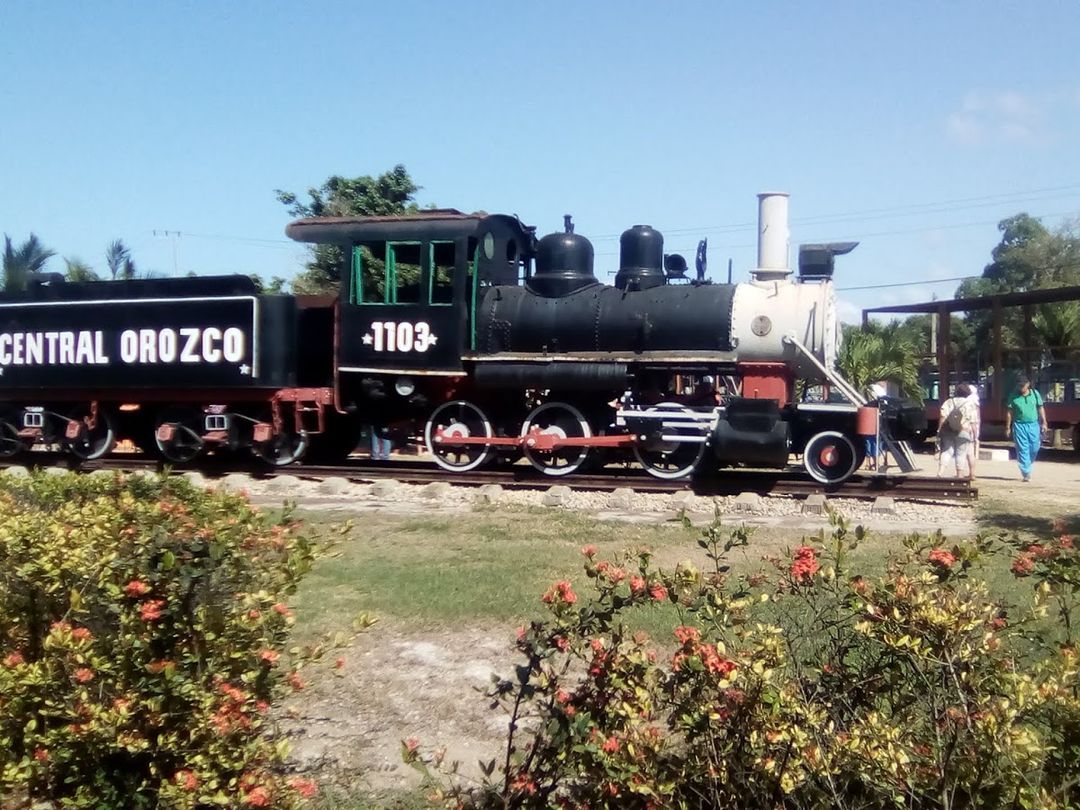
The Museo del Azúcar y el Vapor “José Smith Comas” in Cárdenas, Matanzas is a remarkable cultural destination that invites visitors to step into the heart of Cuba’s historic sugar industry. Set within the former Central Progreso José Smith Comas sugar mill — one of Cuba’s iconic colonial-era industrial sites — the museum celebrates the nation’s deep connection to sugar production and steam technology, making it a must-see attraction for history enthusiasts, families, and cultural travelers alike. Arriving at the museum, guests are immediately struck by the scale and authenticity of the site. The expansive complex preserves original milling facilities, gigantic gear wheels, steam engines, and the architectural framework that once powered one of the island’s most productive sugar centrals. As you walk through the exhibits, the echo of the past resonates in every corner — from heavy iron machinery to interpretive displays that explain how cane stalks were transformed into the world’s most sought-after sweetener.
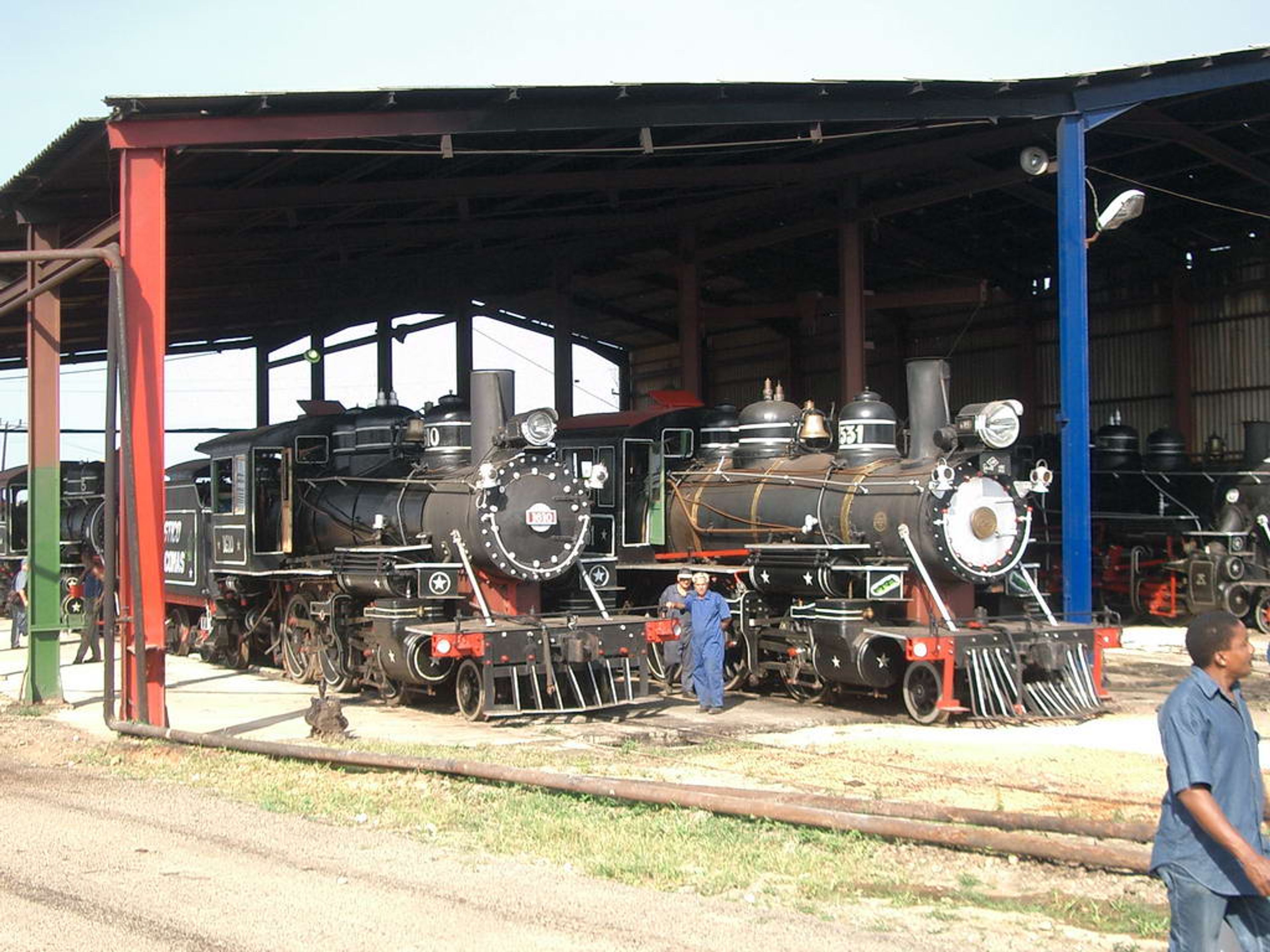
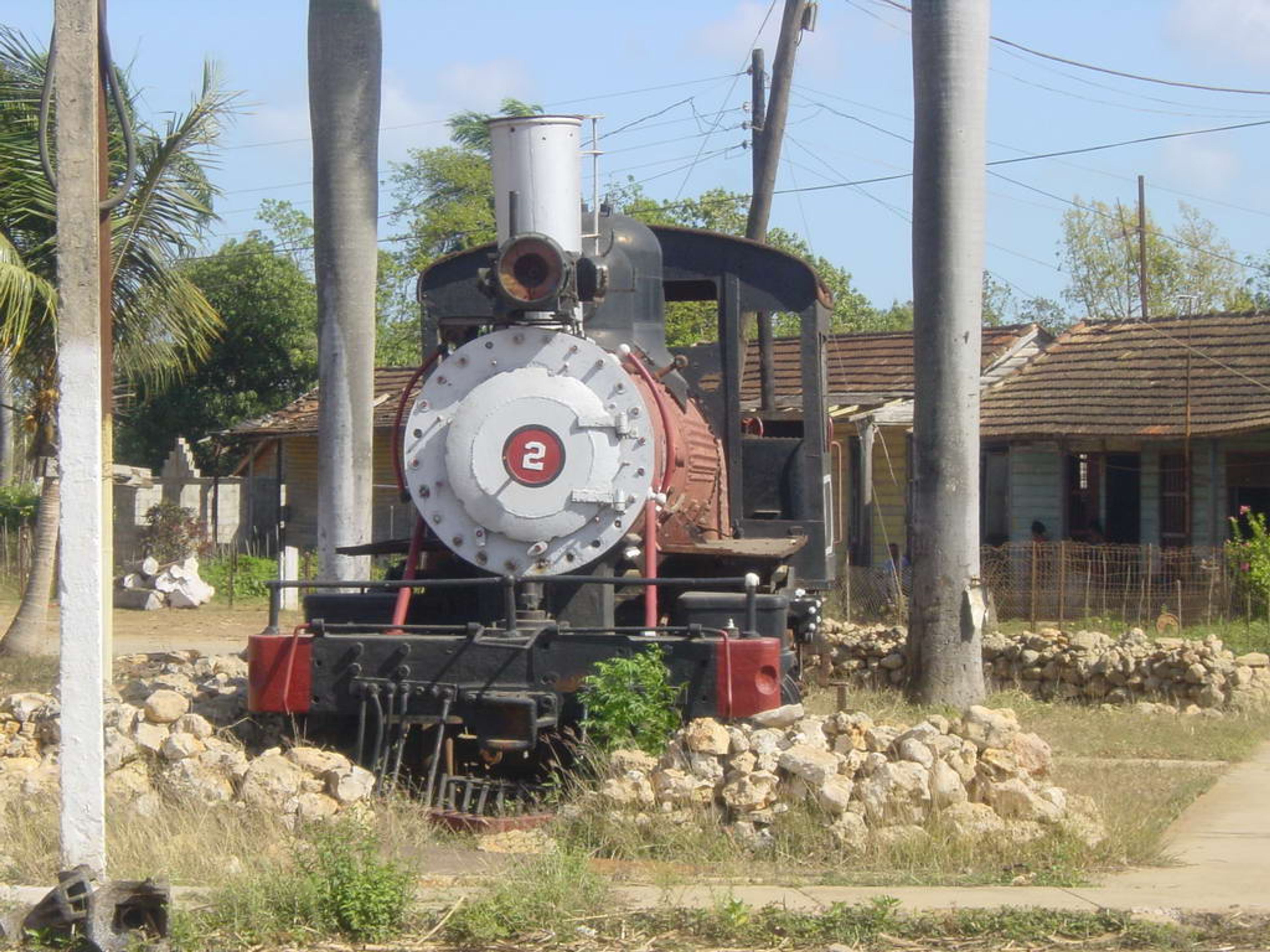
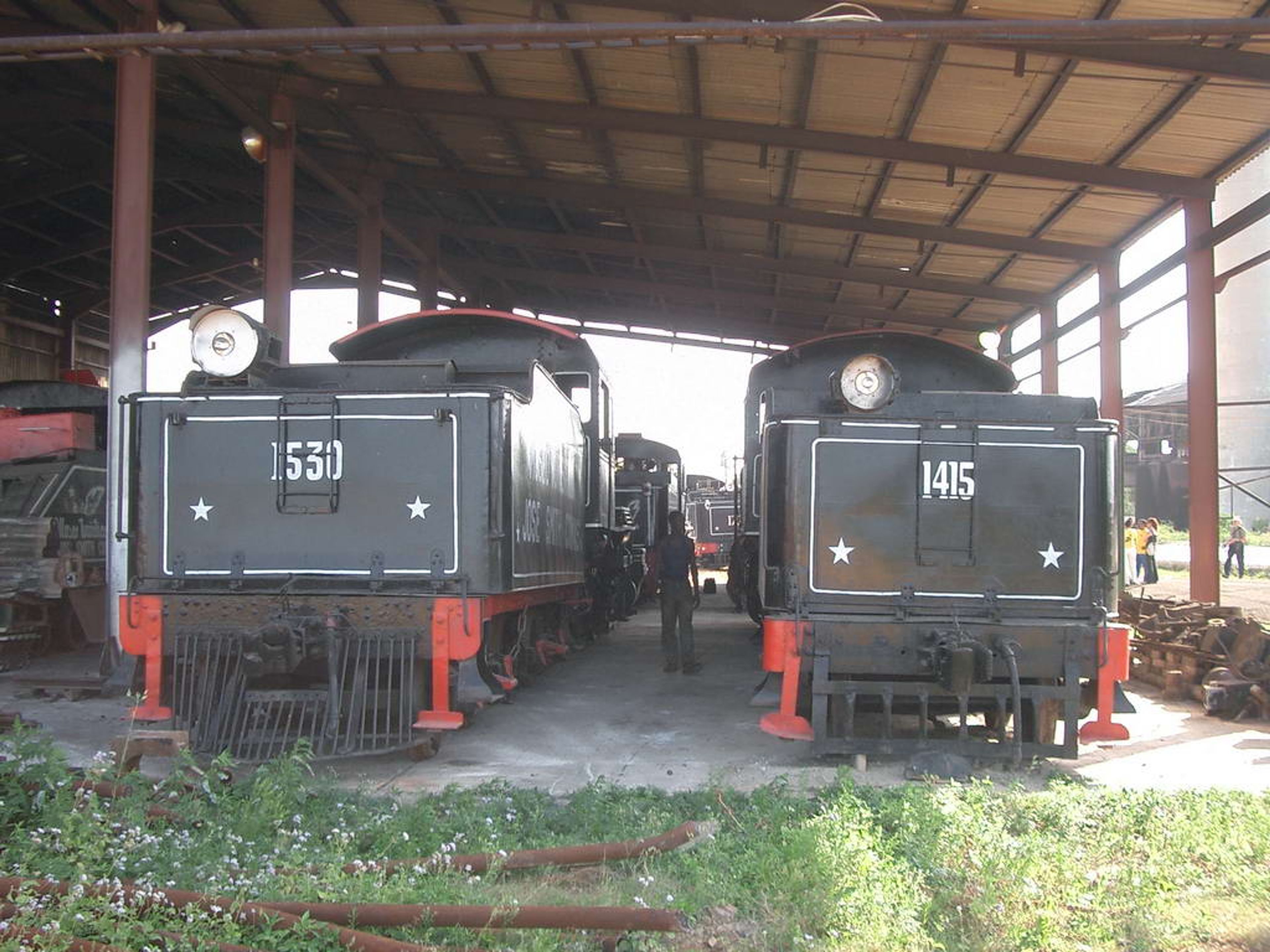
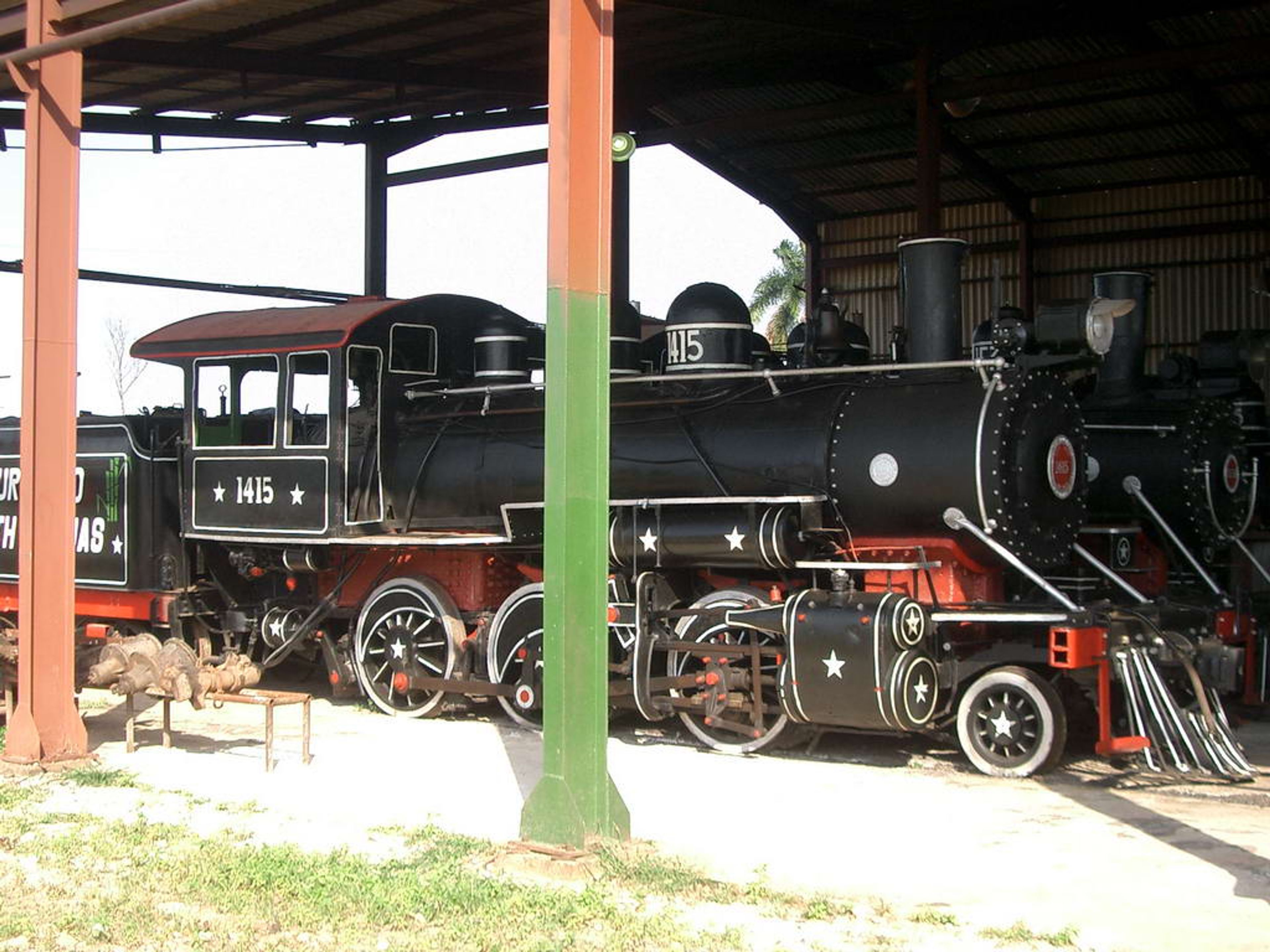
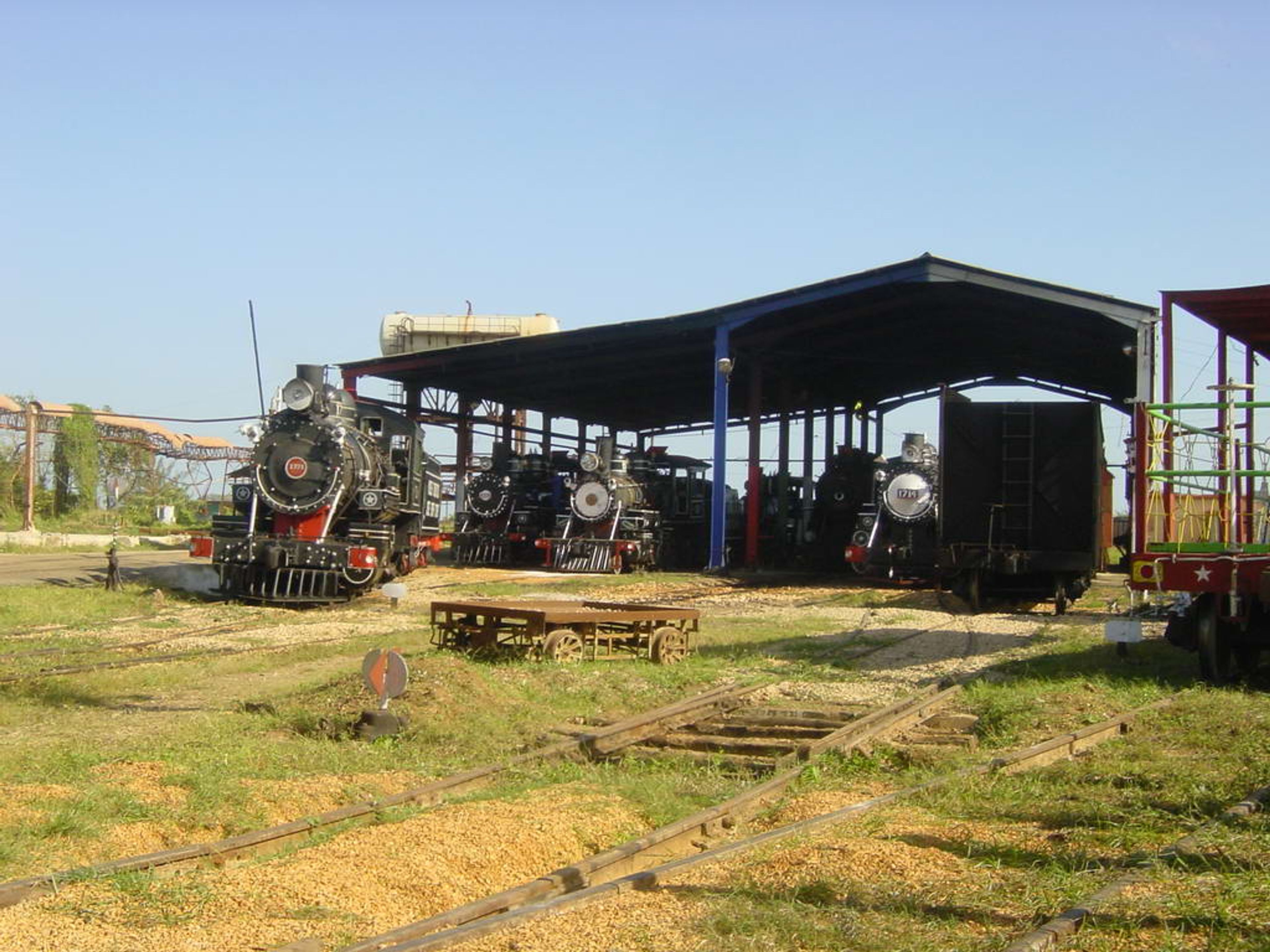
One of the most compelling features of the museum is its collection of historic steam locomotives. With more than two dozen engines on display — some dating back to the late 19th and early 20th centuries — guests can admire the craftsmanship and engineering that fueled Cuba’s agricultural transport routes. For many visitors, these majestic machines are highlights of the visit, offering both photographic opportunities and a powerful link to industrial heritage. The museum experience is both educational and immersive. Informative panels and guided tours walk visitors through the stages of sugar production, from cane harvesting to milling, clarification, and refining. Stories of the laborers, engineers, and communities shaped by this industry add a human dimension to the technical exhibits, helping visitors appreciate sugar’s role not just as a product but as a cultural force in Cuban society.
The Ronera de Cárdenas, located in the vibrant province of Matanzas in Cuba, stands as a living monument to the island’s deep-rooted rum-making tradition. Originally established in 1878 by Spanish entrepreneur José Arechabala Aldama under the name La Vizcaya, this distillery grew into one of Cuba’s most important industrial complexes of the late nineteenth and early twentieth centuries. It is here, in the heart of Cárdenas, that some of the most iconic spirits in Cuban history were first conceived and crafted. From its earliest days, the factory was more than a rum distillery — it was a cornerstone of local industry and community life. Set against the backdrop of Cárdenas’ historic port and fertile cane fields, La Vizcaya became renowned for producing high-quality spirits from molasses, the sweet residue of sugar production. Over time, the distillery’s skill and innovation helped shape the global reputation of Cuban rum. Between its walls and aging cellars was born one of the most legendary names in spirits: Havana Club, first introduced by the Arechabala family in 1934, long before the brand became synonymous with Cuban identity worldwide.
Today, the Ronera de Cárdenas carries forward that heritage under the stewardship of Corporación Cuba Ron S.A., as one of the island’s enduring rum production centers. Although its historic buildings reflect both the passage of time and the evolution of Cuban industry, the essence of its legacy remains vibrant. The distillery’s machinery, fermentation spaces, and cellars evoke the story of generations of master rum makers whose expertise transformed simple sugar cane into world-class spirits. Visitors to the Ronera can sense the deep cultural resonance of rum in Cuban life — from the rhythmic pulse of industrial heritage to the sensory allure of oak-aged barrels and fragrant molasses. The site exemplifies the fusion of craftsmanship and tradition that defines Cuban rum, offering an evocative glimpse into a drink that is both a national emblem and a global gastronomic treasure.
- Pick up at the hotels according to the staggered schedule established for the excursion,
- Tourist guide
- Tour to the Sugar Museum and the "José Smith Comas" Steamship. Visit to a Sugar Cane plantation with demonstration of manual cutting. Welcome and tour inside the old factory, where machines and equipment that were used in the process of obtaining sugar cane are exhibited. Tasting of the sugar cane juice "Guarapo". Delivery of souvenir (case of 1 bottle of rum for adults and national candies for children).
- Ride on a train pulled by a steam locomotive from the beginning of the 20th century to Cárdenas station.
- Visit to the Ronera de Cardenas, the former Arrechabala Rum Factory, which includes a tour of the distillery, aging and bottling areas of this old factory, birthplace of the internationally famous Havana Club rum, which will allow you to learn about each step in the production of several rums that today are also symbols of Cuban craftsmanship and a pleasure for the palate. Visit to La Vizcaya for a demonstration of how rum is drunk and a tasting of a shot of rum produced in the same factory.
- Lunch at a self-sustainable project, a private restaurant in the city of Cardenas.
- Panoramic tour of Varadero's Tourist Pole, along 1st Avenue to 64th Street.
- Visit to the House of Rum on 1st Avenue and 63rd Street including: Explanation on the process and history of rum making in Cuba. Tasting of rums and creams. Free time in Varadero Boulevard.
- Visit to Plaza Las Morlas which includes: Explanation of the facilities and attractions of the plaza. Explanation by the staff of the house about the Cuban tobacco manufacturing process and its pairing with different Cuban rums in the Casa del Café. Demonstration of the manual twisting process and the possibility for the client to make a tobacco. Pairing of tobacco and rum. Coffee tasting.
- Free time at Plaza Las Morlas.
- Return to the hotel.
Days of the week with guaranteed departures: MONDAY, WEDNESDAY and SATURDAY.
REMARKS:
- Depending on the availability of Plaza Las Morlas, the pairing of tobacco and rum could be done at the Casa del Tabaco and in this case it would not include the tasting of a Coffee.
- Customers will receive a souvenir consisting of a bottle of rum for adults and a pack of candies of national production for children.
- Recommended: light clothing, sunglasses, hats or caps, tennis, sandals or comfortable shoes, solar protection and photographic camera.
- For the tour we recommend a water bottle.
- We recommend to bring cash in small denominations for souvenirs, drinks and tips.
More Information
- 10 hrs aprox
- 07:45 hrs Playa Marina - Paradisus Varadero / 08:00 hrs Iberostar Varadero - Blau Varadero / 08:15 hrs Meliá Las Antillas - Sol Club Palmeras / 08:25 hrs Meliá Varadero - Sol Varadero Beach / 08:30 hrs Be Live Experience - Los Delfines / Mar del Sur
- Tour guide included
- Children not allowed
- Offered inSpanish and English
Options and Availability
Collective tour
Tour in collective bus with specialized guide service in several languages. The best price.Private tour
Tour in car or minibus for private use with exclusive guide service in your language.Policies and Conditions
- The collected may be delayed up to 15 minutes depending on the number of hotels and punctuality of customers. Customer should be informed on sales desk to avoid disagreements.
- This tour operates with a minimum of passengers. Holiplus will reconfirm 48 hours before the departure of your tour. If the provider decides to cancel, for not meeting the minimum required amount of passengers, Holiplus will offer an alternative tour or fully refund cost of your trip.
- Depending on the availability of Plaza Las Morlas, the pairing of tobacco and rum could be done at the Casa del Tabaco and in this case would not include a coffee tasting.
- All excursions are guaranteed in English and Spanish. The rest of the languages will be confirmed according to availability.
Cancellation and no show policy:
- Cancellations more than 72 hours before the tour: No penalty applies.
- Cancellations between 72 hours and 48 hours before the tour: a penalty of 50% of the total value of the excursion applies.
- Cancellations less than 48 hours before the tour: a penalty of 100% of the total value of the excursion applies.
- NO-SHOW: a penalty of 100% of the total value of the excursion applies.